 Pegasus
TL;DR
- Perform pre-event facility audits to identify footing and structural hazards.
- Standardize emergency response protocols for medical and equine incidents.
- Use digital liability waivers to ensure 100% compliance before arrival.
- Document every incident immediately to mitigate long-term legal exposure.
Optimizing horse show risk management is the process of identifying, evaluating, and mitigating potential hazards to ensure the safety of participants, spectators, and equine athletes. A comprehensive safety strategy involves conducting thorough facility audits, implementing clear emergency communication protocols, and maintaining rigorous documentation through digital liability waivers. By proactively addressing physical risks like footing quality and operational risks like crowd control, show managers can significantly reduce the likelihood of accidents and protect the financial viability of their equestrian events.
Why is Risk Management Crucial for Horse Shows?
Safety is not just a checkbox for insurance compliance; it is the foundation of a successful event. When you manage a horse show, you are responsible for a high-risk environment where large animals, moving vehicles, and varying human experience levels collide. A single preventable accident can result in devastating injuries and lasting damage to your organization's reputation and bottom line.
In our experience working with circuits across North America, we have seen that the most successful organizers treat risk management as a living document. It is not something you file away in a drawer. It is a set of active behaviors that start months before the first trailer pulls through the gate.
The Financial Impact of Safety
Neglecting safety protocols leads to higher insurance premiums and potential litigation. Beyond the direct costs, there is the hidden cost of exhibitor churn. Riders will not return to a facility where they feel their horses are at risk due to poor footing or chaotic warm-up rings. As we discussed in our guide on Optimizing Horse Show Stall Management, every aspect of your facility contributes to the overall profitability and sustainability of your business.
How Do You Conduct a Horse Show Facility Audit?
Before the first horse steps off a trailer, you must walk the grounds with a critical eye. A facility audit should be a systematic review of every area accessible to the public or competitors.
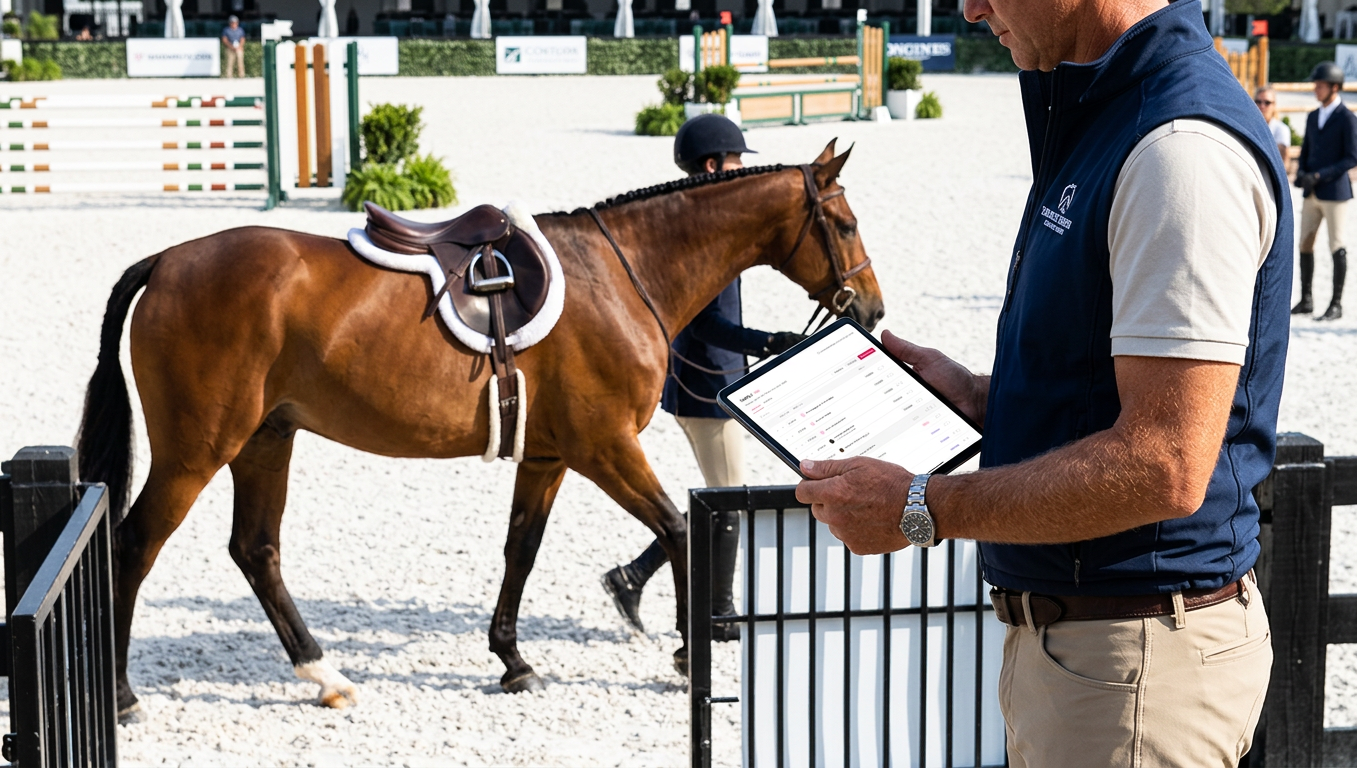
- Arena Footing: Check for holes, hard spots, or areas where the base is becoming exposed. Uneven footing is a primary cause of equine soft tissue injuries. Refer to the standards in Modern Horse Show Ring Management for maintaining safe surfaces.
- Fencing and Gates: Ensure all perimeter fencing is secure. Gates should swing freely but latch securely. In high-traffic areas, check for protruding nails, splinters, or sharp metal edges.
- Electrical and Water: Inspect wash racks for drainage issues that could lead to slips. Ensure all electrical outlets near stalls are properly grounded and away from hay storage to prevent fire risks.
- Traffic Flow: Identify potential bottlenecks where horses and pedestrians might clash. You can find detailed strategies for this in our post on Optimizing Horse Show Traffic Flow.
Developing Standard Emergency Protocols
When an accident happens, seconds matter. Your staff should not be wondering who to call or where the nearest trauma kit is located.
Medical Response Teams
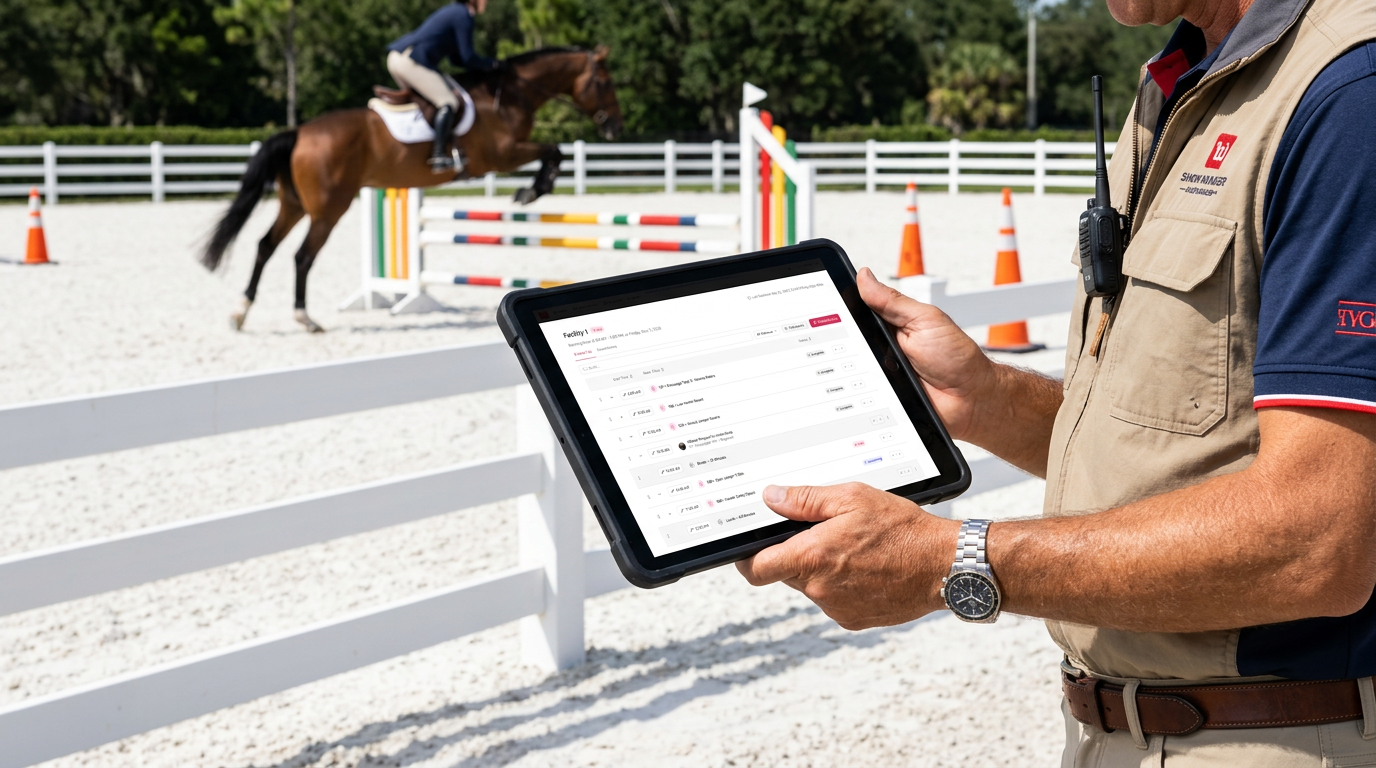
For any sanctioned event, having a certified EMT or paramedic on-site is often a requirement, but it is also a best practice for local schooling shows. Ensure your medical team has a clear, unobstructed path to every ring. We recommend providing them with a radio that stays on the primary official channel so they can hear incidents as they are reported by the judge or in-gate.
Equine Emergency Plans
Equally important is the plan for an injured horse. Do you have a privacy screen available? Is there a designated equine ambulance or a local vet on call who can arrive within 20 minutes? Having these resources vetted and ready prevents panic and ensures the horse receives humane care immediately. According to Lesson 27 of the Course: How to Run and Horse Show, establishing these veterinary partnerships is a core operational requirement.
What Role Does Digital Documentation Play in Safety?
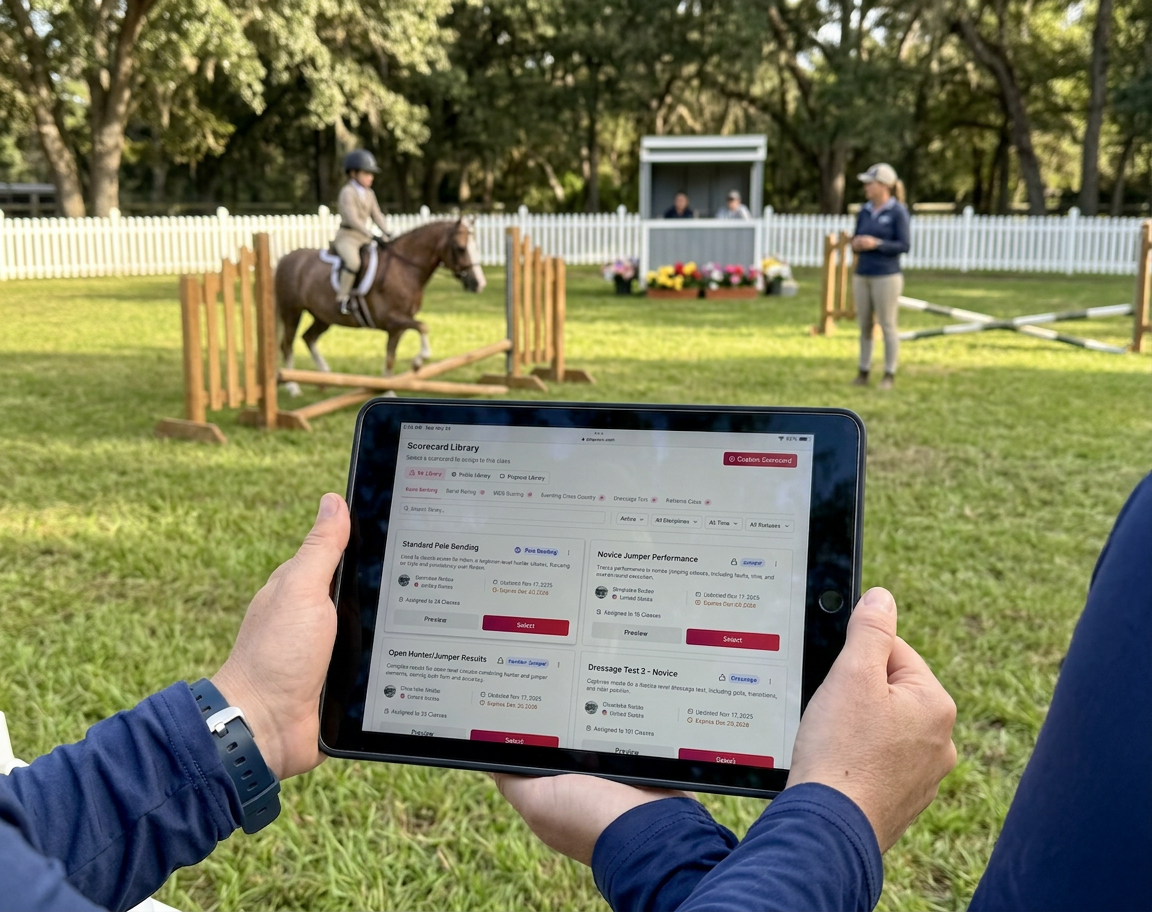
Paper waivers are a risk management nightmare. They get lost, the handwriting is illegible, or they are missing a signature from a legal guardian. Transitioning to online entries and rider payments allows you to require signed digital waivers before an entry is even accepted.
Real-Time Incident Reporting
If a fall occurs, the show office should document it immediately. Use a standardized form that includes:
- The time and exact location of the incident.
- The names of the rider, horse, and trainer involved.
- Witness statements collected on the spot.
- Photos of the area (e.g., the jump, the footing, or the equipment involved).
This documentation is your best defense if a liability claim arises months or years later. Digital systems allow you to attach these reports directly to the rider's profile, ensuring the data is never lost.
Staff Training and Volunteer Coordination
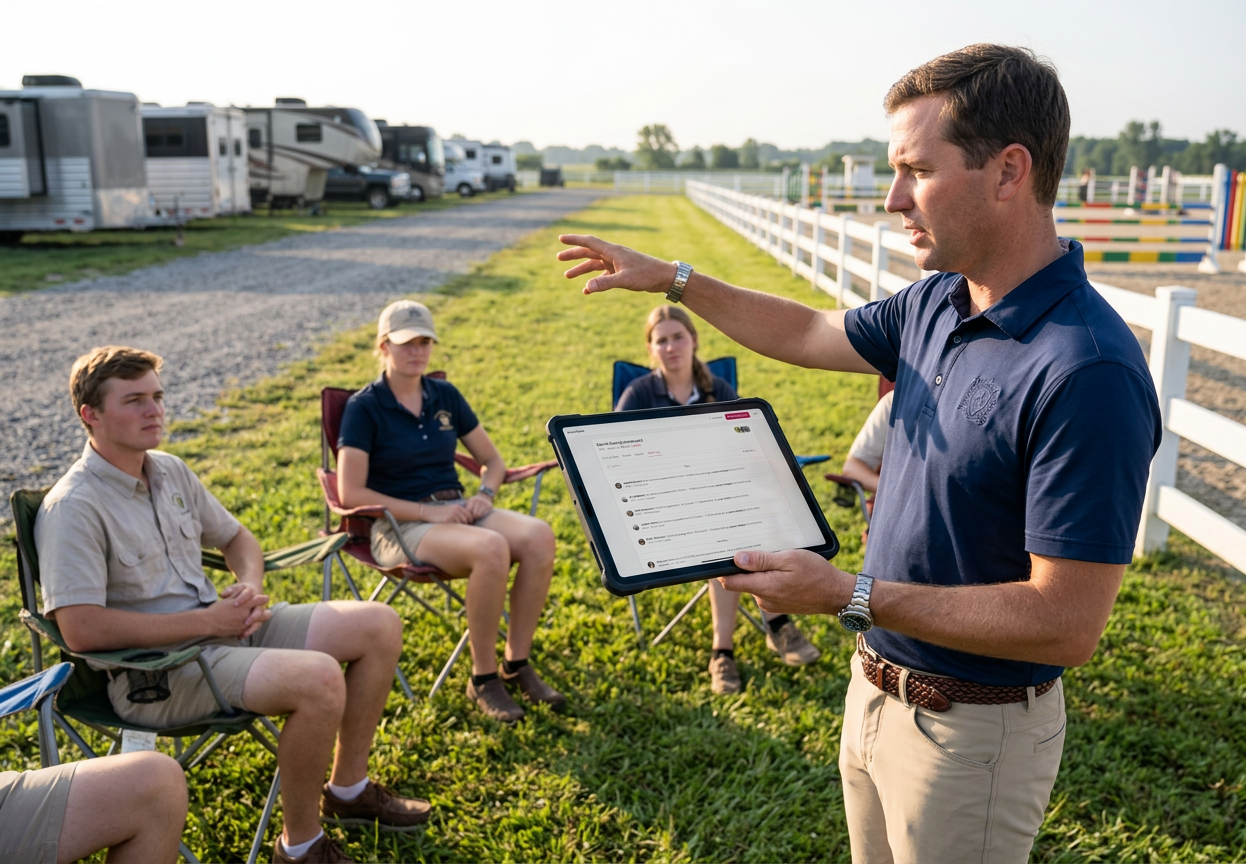
Your risk management plan is only as good as the people executing it. Volunteers are often the first line of defense at the in-gate or in the parking lot.
We have seen organizers drastically improve safety by holding a 15-minute morning briefing. Remind staff of the "Stop the Ring" protocol if a horse gets loose and ensure everyone knows the physical address of the facility to give to 911 dispatchers. For more on managing your team, see our guide on Horse Show Staff Management and Digital Volunteer Coordination.
Keeping Communication Lines Open
Communication is a safety tool. When weather shifts or a ring becomes delayed, anxiety levels rise, and people start taking risks. Use modern horse show communications like SMS alerts or app notifications to keep everyone informed.
If a storm is approaching, notifying exhibitors to secure their gear and move horses to stalls early can prevent a chaotic scramble when the first thunder claps. Providing clear, calm instructions via the PA system and digital channels keeps the environment controlled.
Final Thoughts on Showground Safety
Risk management is an ongoing commitment to the equestrian community. By auditing your facility, standardizing your response, and leveraging digital tools for waivers and reporting, you create an environment where riders can focus on their performance rather than their safety.
Ready to modernize your show's safety and entry process? Explore how Pegasus can help you manage online entries and rider payments to ensure your liability ducks are in a row before the first horse arrives.