 Pegasus
TL;DR
- Start planning at least 4-6 months out to secure judges and facility dates.
- Focus on safety, clear communication, and financial break-even points.
- Use digital tools to automate entries and results to reduce show-day stress.
Running your first schooling show requires a balance of logistical precision and community hospitality. To succeed, a new organizer must secure a safe facility, hire qualified officials (judges and EMTs), and implement an organized entry system. By focusing on a manageable class list and clear prize list specifications, you can create a positive environment that encourages rider development while maintaining the financial health of your equestrian club or facility.
Why Start a Schooling Show Series?
For many organizers, the leap into show management starts with a simple need: more local opportunities for riders to practice in a competitive environment without the high costs of rated circuits. Whether you are a trainer at a hunter-jumper barn or a board member at an English riding club, schooling shows are the lifeblood of the sport.
In our experience supporting grassroots events, we have found that the most successful shows are those that prioritize the exhibitor experience. You are not just providing a place to jump or ride a dressage test; you are providing a milestone in a rider's journey. Before you pick a date, identify your "why." Are you aiming to be a feeder for USEF-rated shows, or is this a fun, low-pressure ribbon day? Knowing this helps you build a recurring schooling show series that people will return to season after season.
How do you plan the logistics for a first-time horse show?
Logistics can feel like a mountain, but they are manageable when broken into phases. According to the Course: How to Run a Horse Show, your very first step is the facility audit.
Facility Layout and Safety
Your facility needs to accommodate more than just the horses in the ring. You must plan for:
- Trailer Parking: Ensure there is enough turn-around space for large rigs and that the ground can handle weight if it rains.
- Warm-up Rings: A primary safety risk is an overcrowded warm-up. Aim for a dedicated space close to the competition arena.
- The Show Office: This should be centrally located but away from high-traffic horse paths to allow for online entries and rider payments to be processed smoothly.
Hiring Your Officials
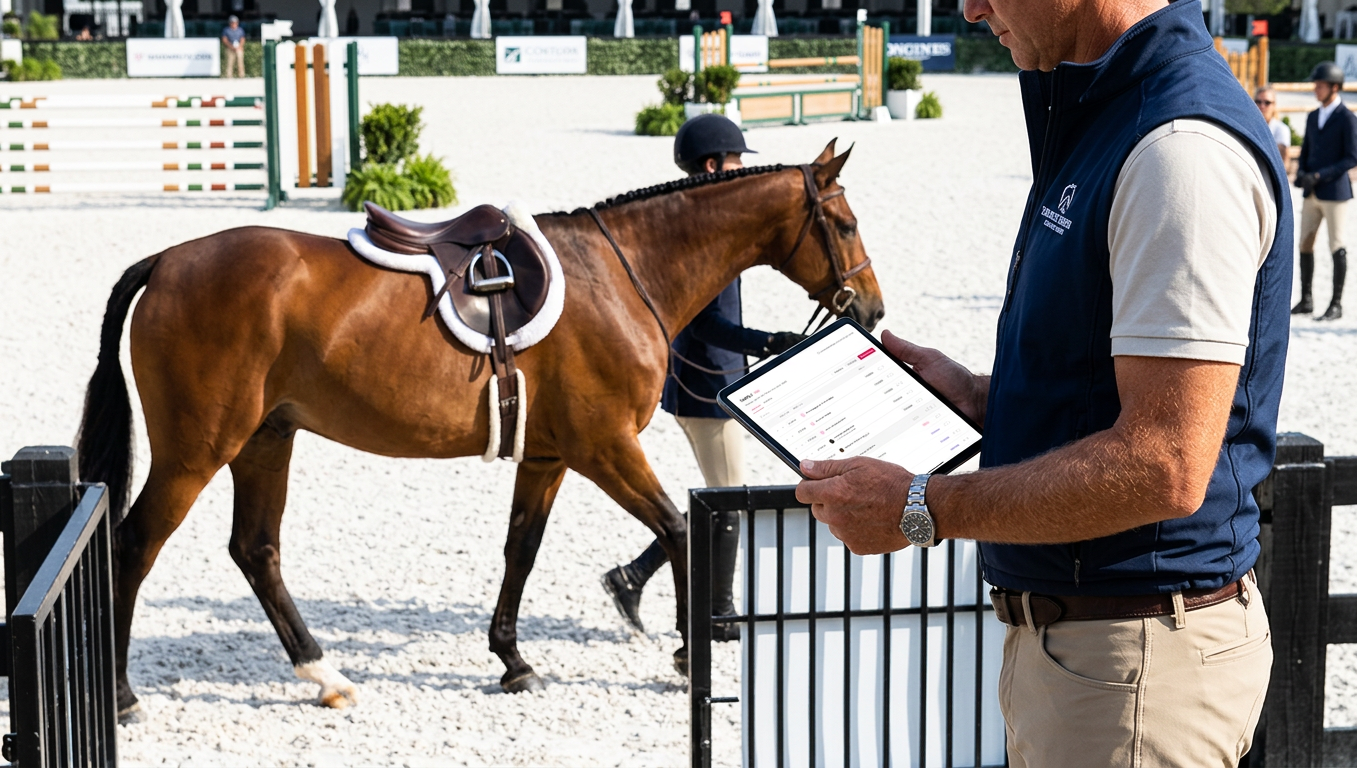
For an English schooling show featuring Hunters, Equitation, or Dressage, you need a judge who is not only knowledgeable but also encouraging to green riders. In the early stages, look for "L" graduates for dressage or local "r" judges for hunters. You also need an EMT on-site for the duration of the event - this is a non-negotiable safety requirement.
What are the essential costs of running a schooling show?
Budgeting is where many new organizers get stuck. You need to know your break-even point before the first entry is even submitted.
- Insurance: Never run an event without event-specific liability coverage.
- Ribbons and Awards: These are the primary tangible takeaways for your riders. For a schooling show, high-quality ribbons go a long way in building brand loyalty.
- Staffing: Even if you use volunteers, you will likely need to pay your judge, medic, and perhaps a professional show secretary.
- Equipment: This includes jumps, dressage letters, and a reliable PA system.
We recommend using a budget guide to track these expenses. Most first-year shows find that stallion fees, grounds fees, and office fees are the primary ways to offset the costs of hiring officials and renting equipment.
Streamlining the Registration Process
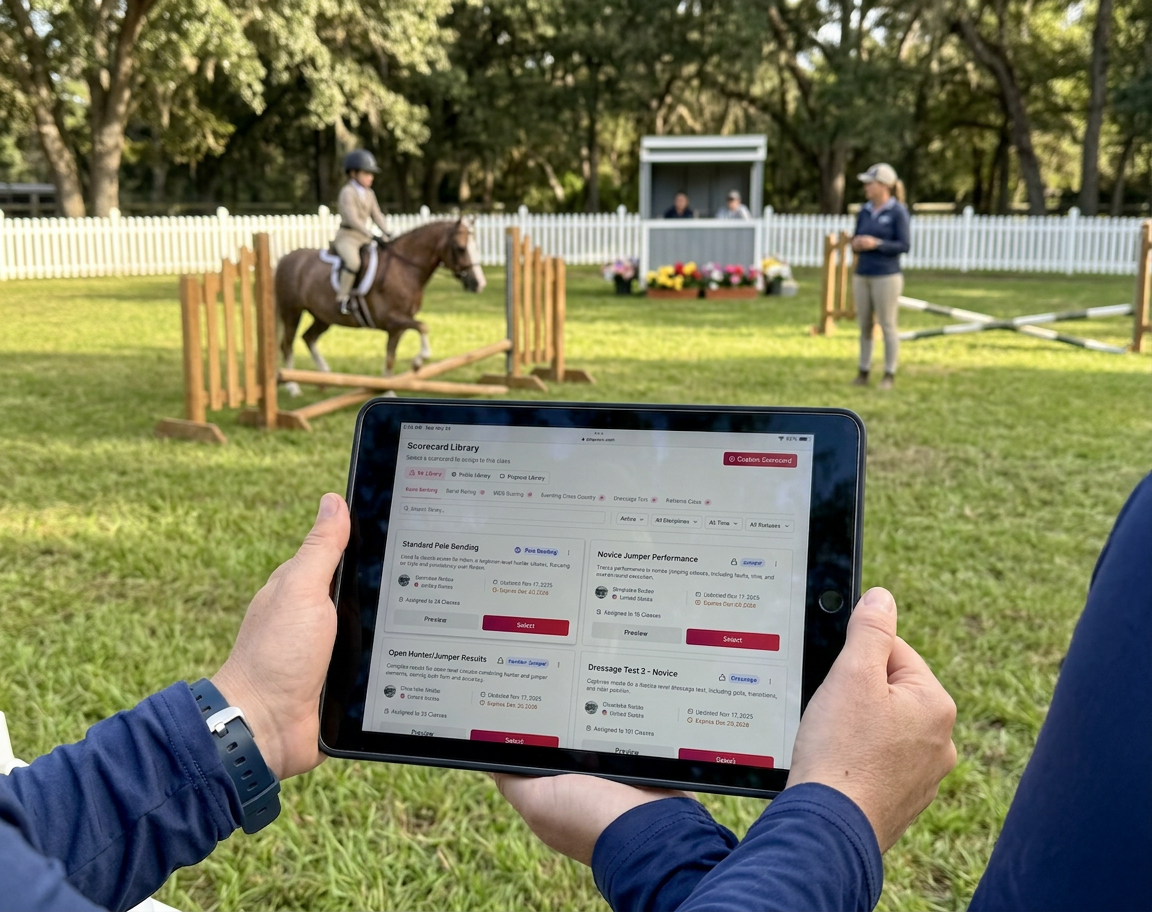
In the past, show secretaries spent nights deciphering handwritten entry forms. Today, riders expect a digital experience. Using online entries allows you to collect Coggins papers, waivers, and payments before the horse even steps off the trailer.
At Pegasus, we have seen organizers save hours of work by shifting away from cash and check payments. It also helps with class scheduling and ring management, as you will know exactly how many trips to expect in each division. This prevents the dreaded "empty ring" syndrome or, conversely, running until 9:00 PM because you underestimated the entries.
Managing the Day-of Operations
On show day, your role shifts from planner to problem solver. Effective in-gate operations (Lesson 21) are the secret to a professional event.
- The In-Gate Person: This is the most important person on your staff. They keep the flow moving and ensure the judge always has a horse in the ring.
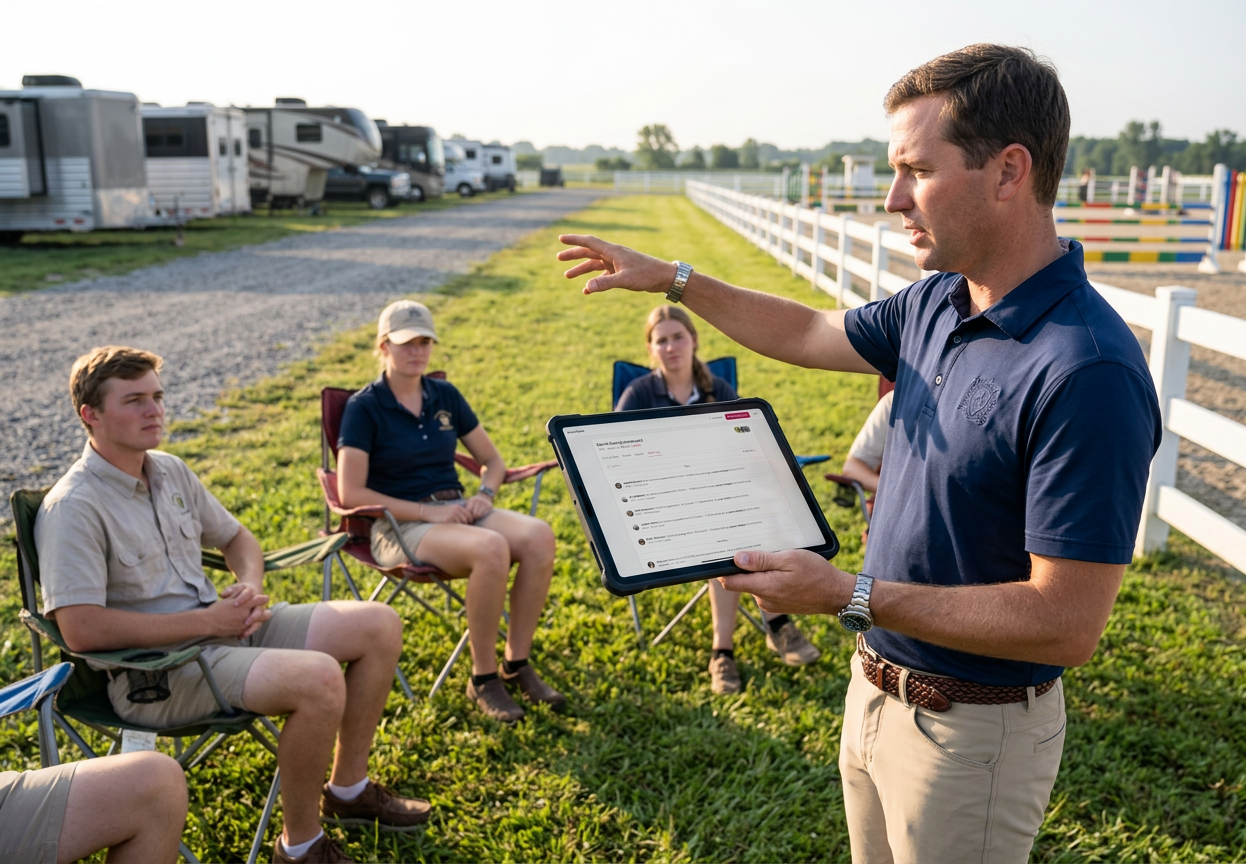
- Live Communication: Use a tool like Show Hub to post real-time updates. If a ring is running 30 minutes behind, telling riders via their phones prevents frustration at the back gate.
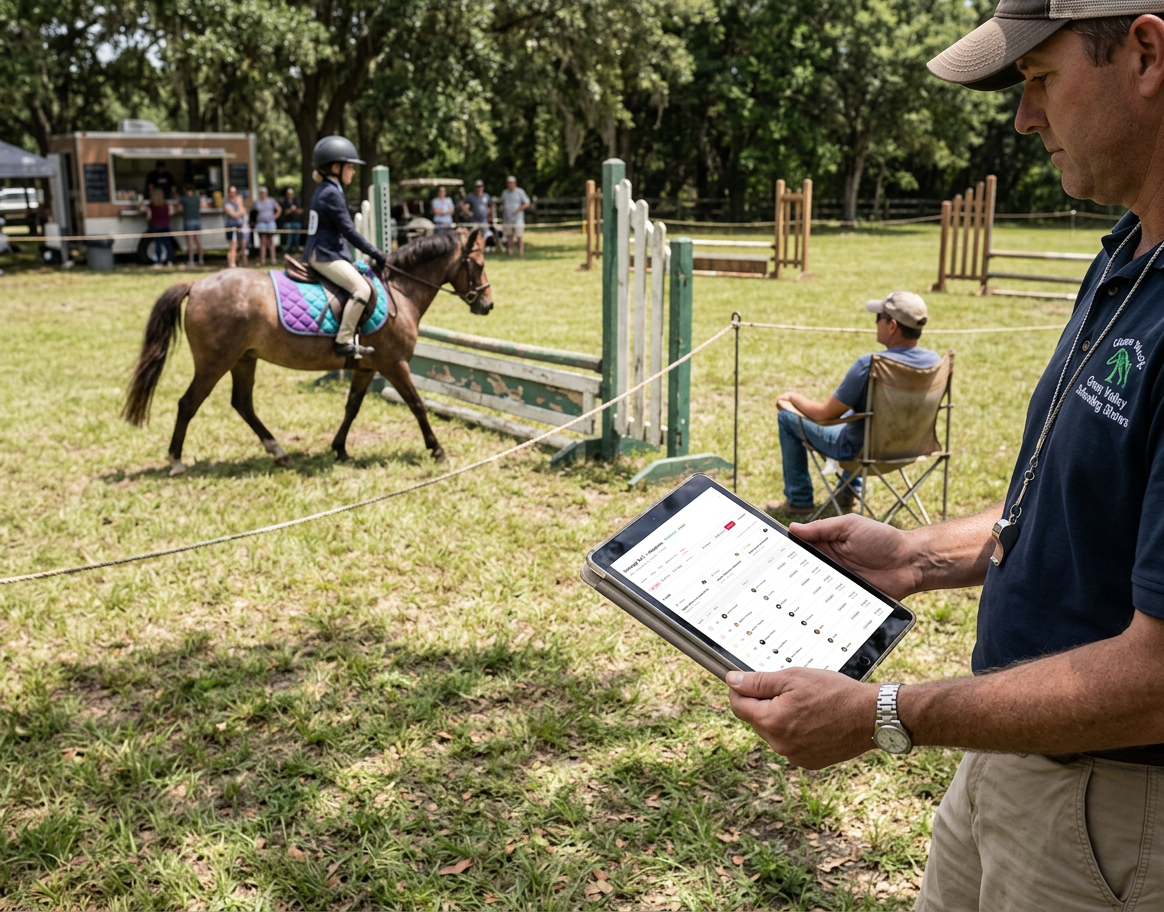
- Results: Getting results out quickly is paramount. Live scoring and results allow trainers to see how their students are doing without crowding the show office.
Post-Show Wrap Up
Once the last trailer leaves, your job isn't quite done. Send a thank-you email to your sponsors and volunteers. Review your post-show analytics to see which classes were most popular. Did the Cross-Rail division have 25 entries while the 3 foot Hunters only had two? Use that data to adjust your prize list for the next date in your series.
Building a successful show is about iteration. Your first one will have hiccups, but by focusing on the basics of safety and organization, you will create a staple event for your local equestrian community.