 Pegasus
TL;DR
- Leverage exhibitor data to create hyper-targeted email and social media campaigns.
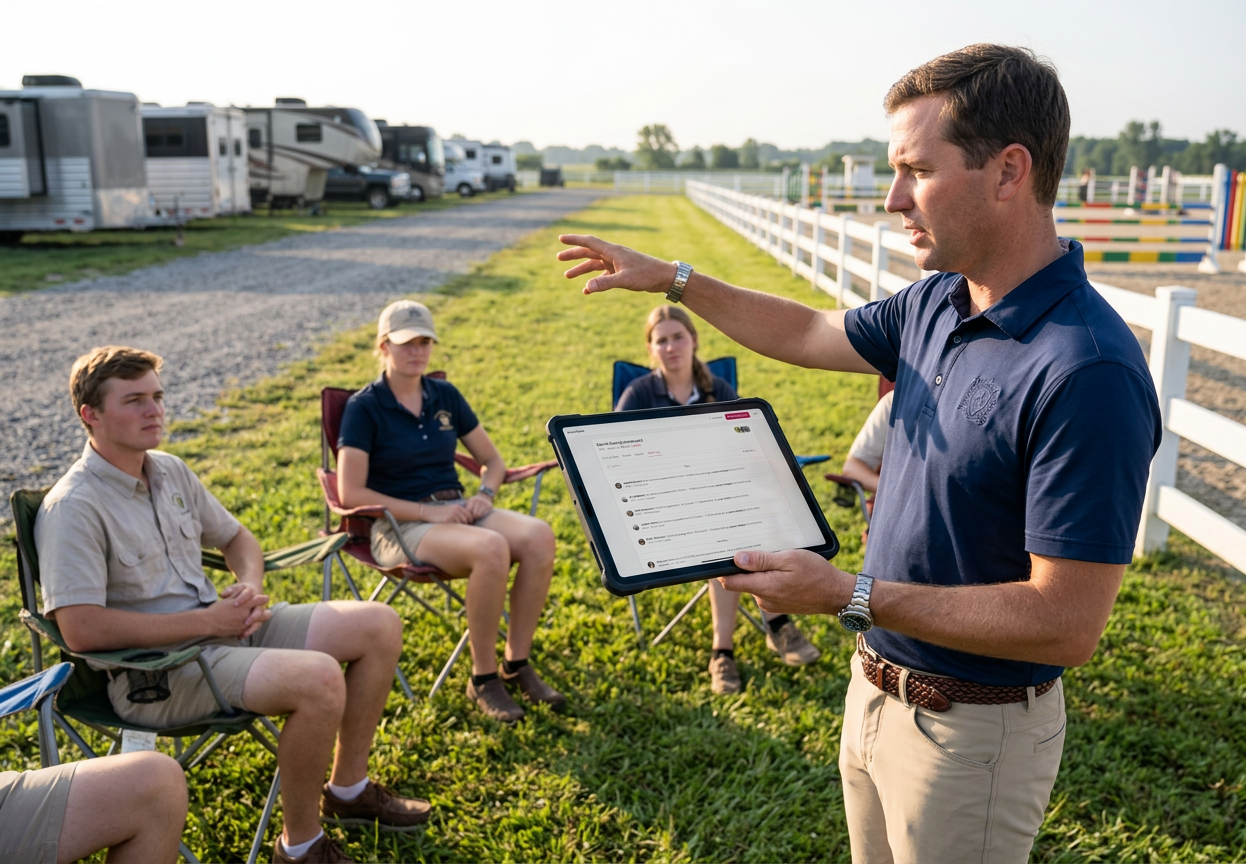
- Focus on community building through digital hubs to keep riders engaged year-round.
- Use modern registration tools to simplify the path from seeing an ad to submitting an entry.
Modern horse show marketing is no longer just about printing prize lists and hoping people show up. To truly boost exhibitor attendance, organizers must combine traditional equine community roots with digital strategies like targeted social media, automated email workflows, and seamless online entry experiences. By focusing on the exhibitor journey from initial discovery to the final results post, show managers can build a sustainable brand that keeps trailers pulling through the gates season after season.
Why Traditional Horse Show Marketing is Changing
For decades, the standard for horse show marketing was a stack of paper prize lists at the local tack shop and a small ad in a regional equine magazine. While these methods still have some value for local visibility, they lack the reach and measurability required for modern event growth. We have seen organizers shift toward digital-first strategies because they allow for real-time adjustments. If your jumper divisions are looking light two weeks before the closing date, a digital campaign can be deployed instantly to fill those slots.
Building a brand for your show series is essential. Exhibitors are not just looking for a place to compete; they are looking for an experience. Whether you are running a local schooling show or a multi-week rated circuit, your marketing should reflect the unique atmosphere of your event. As we discussed in our guide on how to run your first schooling show, establishing a clear identity early on helps you target the right demographic of riders.
How Can You Use Data to Drive More Entries?
Data is the most underutilized asset in the equine industry. Every time a rider enters your show, they provide valuable information about their preferences, their trainer's barn size, and their geographic location. Modern horse show marketing uses this data to stop shouting at the crowd and start talking to the individual.
- Segmented Email Lists: Instead of sending a generic email to 2,000 people, segment your list. Send a specific reminder to dressage riders about a new freestyle class, and a separate one to hunter/jumper trainers about early-bird stall discounts.
- Lookalike Audiences: If you use social media advertising, you can upload your existing exhibitor list to platforms like Meta to find 'lookalike' users-people with similar interests and behaviors who have never heard of your show.
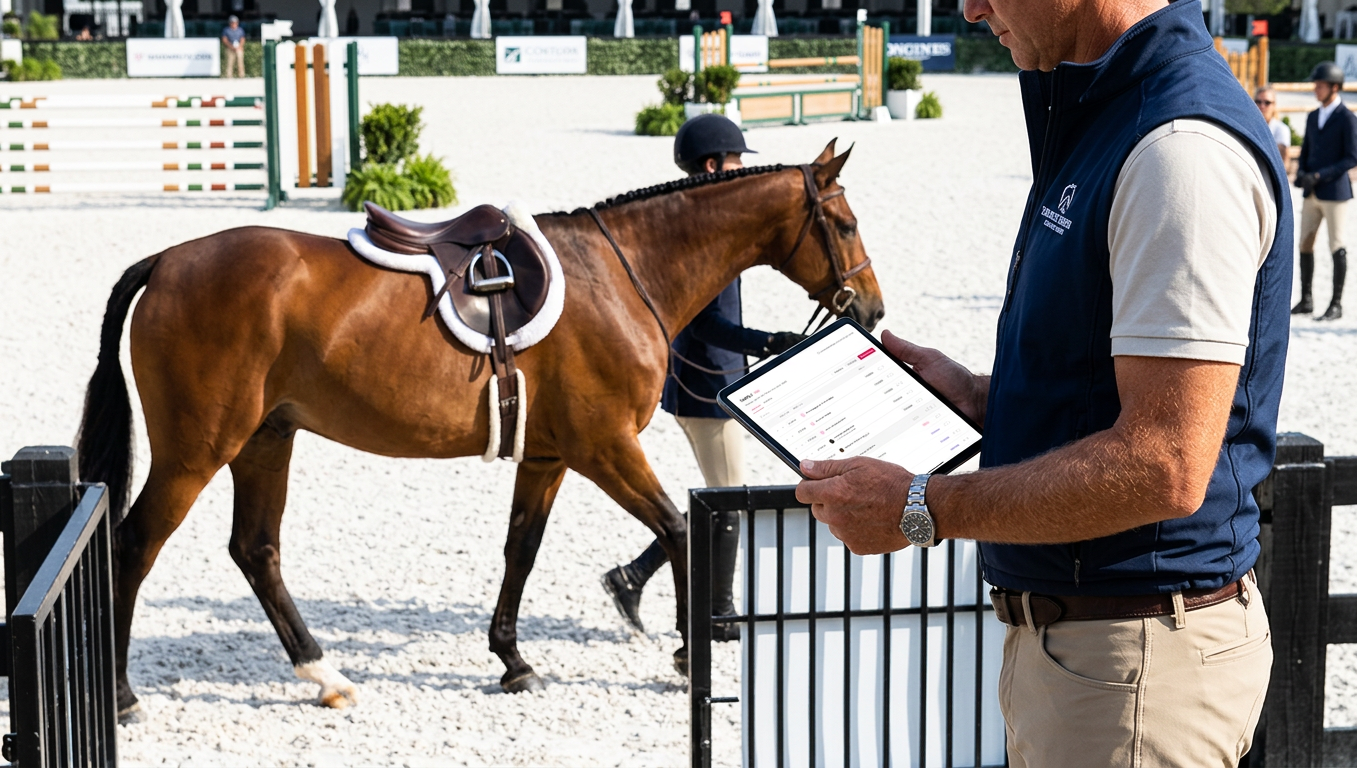
- Conversion Tracking: Use online entries & rider payments to see exactly where your traffic is coming from. If 60 percent of your entries come from a specific Facebook link, you know where to spend your marketing budget next year.
Creating Content That Exhibitors Actually Want
Exhibitors are busy. Between training, barn chores, and travel, they are bombarded with information. To stand out, your content needs to be either highly functional or highly emotional.
The Functional Content Mix
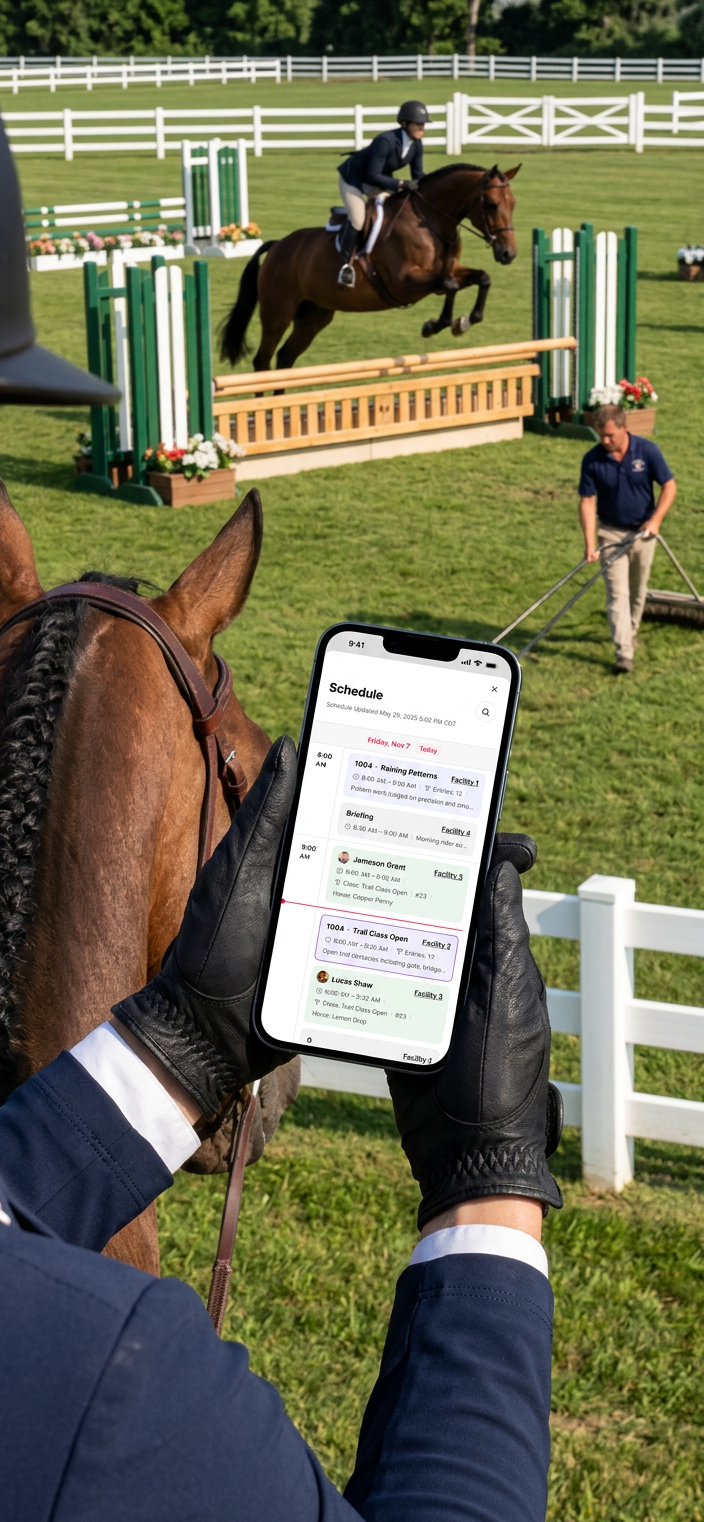
Functional content helps the rider prepare. This includes posting the class scheduling & ring management updates early, sharing clear facility maps, and providing 'know before you go' checklists. When you provide value before the show even starts, you build trust. This is a key part of optimizing horse show communications.
The Emotional Content Mix
Horse sports are aspirational. Use high-quality photography and video to showcase the thrill of competition. Tag riders in win photos, share behind-the-scenes clips of the jump crew setting the course, and highlight your sponsors. Using tools like Show Hub allows you to create a digital home for these conversations, keeping the excitement alive between events.
What are the Best Social Media Channels for Horse Shows?
Not all platforms are created equal for the equine industry. While TikTok is great for viral reach, Instagram and Facebook remain the heavy hitters for event registration and community updates.
- Instagram: Best for high-end photography, Reels of winning rounds, and aesthetic branding. Use Stories for 'Day in the Life' content and real-time ring updates.
- Facebook: The primary home for horse show 'communities.' Facebook Groups are still a major way trainers communicate and coordinate travel. Make sure your official page is the source of truth for all schedule changes and live scoring & results.
- Show Hub Rooms: For a more focused approach, Show Hub rooms provide a dedicated space for per-show discussion without the noise of a general social media feed. This is where the real community building happens.
Closing the Loop: From Marketing to Registration
The biggest mistake in horse show marketing is having a great ad that leads to a broken or confusing registration process. If a rider sees your post on Instagram but has to print, scan, and mail a paper entry form, you will lose a significant percentage of potential exhibitors.
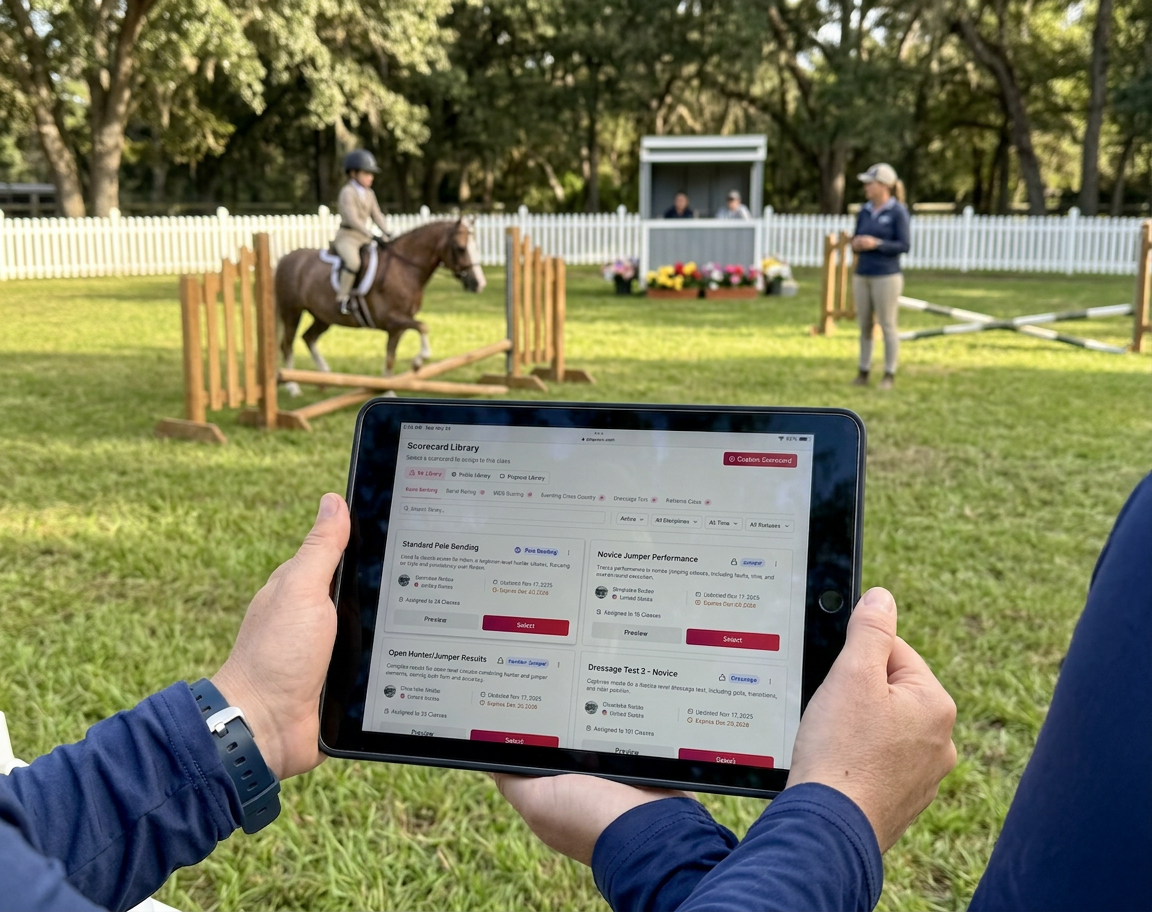
Modern marketing requires a frictionless path to entry. Your 'Call to Action' should lead directly to a mobile-friendly entry portal. By integrating your marketing efforts with full Pegasus feature overview capabilities, you ensure that the momentum generated by your social media and email campaigns results in actual revenue. Remember, every extra step in the entry process is an opportunity for a rider to change their mind.
Measuring Success and Post-Show Marketing
Marketing does not end when the last trailer leaves the grounds. Post-show marketing is the foundation for next year's attendance. Send a thank-you email to all exhibitors with a link to their results and photos. Ask for feedback through a short survey.
Review your reports & post-show analytics to see which classes were most popular and which regions saw the most growth. This data allows you to refine your strategy for the next season, ensuring that your horse show marketing remains as precise and effective as a well-executed jump-off round.