 Pegasus
TL;DR
- Hospitality is a key differentiator that drives exhibitor retention and increases sponsorship value.
- Focus on high-impact areas like trainer lounges, ringside hydration, and automated communication.
- Strategic perks do not have to be expensive to improve the overall attendee experience.
Optimizing horse show hospitality is the process of creating a premium, welcoming environment that directly improves the exhibitor experience and fosters long-term loyalty. By providing thoughtful amenities such as climate-controlled lounges, quality food options, and efficient digital communication, organizers can differentiate their events in a crowded competitive landscape. Effective hospitality not only keeps trainers and riders returning season after season but also creates high-value assets for sponsors seeking direct engagement with the equestrian community.
Why Does Horse Show Hospitality Matter for Your Bottom Line?
In our experience working with major circuits and local schooling shows alike, we have found that hospitality is often the deciding factor for a trainer when they choose where to take their barn for a three-week stint. While footing and prize money are the foundation of a good event, the "creature comforts" determine how much a person enjoys their time on the grounds.
When you focus on the exhibitor experience, you are not just being nice; you are building a sustainable business model. A happy trainer brings twenty horses, and those twenty horses generate entry fees, stall revenue, and bedding orders. We covered the financial side of these operations extensively in our guide on optimizing horse show stall management.
The Impact on Sponsorship ROI
Hospitality areas are prime real estate for sponsors. A VIP lounge or a sponsored morning coffee station provides a captive audience for brands. Instead of just hanging a banner on a fence, you can offer a sponsor the opportunity to provide a tangible benefit to your riders. This creates a positive brand association that far outlasts a logo on a jump. For more on this, check out our piece on modern horse show sponsorship proposals.
How to Design an Effective VIP Experience?
Creating a VIP area does not require a massive ballroom or a five-star catering contract. It requires a space that solves a problem for your exhibitors. Usually, that problem is a lack of shade, a place to sit, or a spot to charge a phone.
Elements of a Successful Ringside Lounge
- Shade and Climate Control: Especially for summer circuits, a tent with fans or a portable AC unit is the ultimate luxury.
- Connectivity: Providing high-speed Wi-Fi and power strips for charging phones and tablets allows trainers to manage their business while staying ringside.
- Quality Refreshments: Move beyond basic snacks. Healthy, high-protein options like nuts, fruit, and yogurt are often more appreciated than cookies or chips during a long show day.
What are Low-Cost Hospitality Wins for Schooling Shows?
Not every event has a six-figure budget for hospitality. However, small gestures can significantly impact how riders perceive your management style. We have seen organizers use simple, creative tactics to make their shows feel premium without breaking the bank.
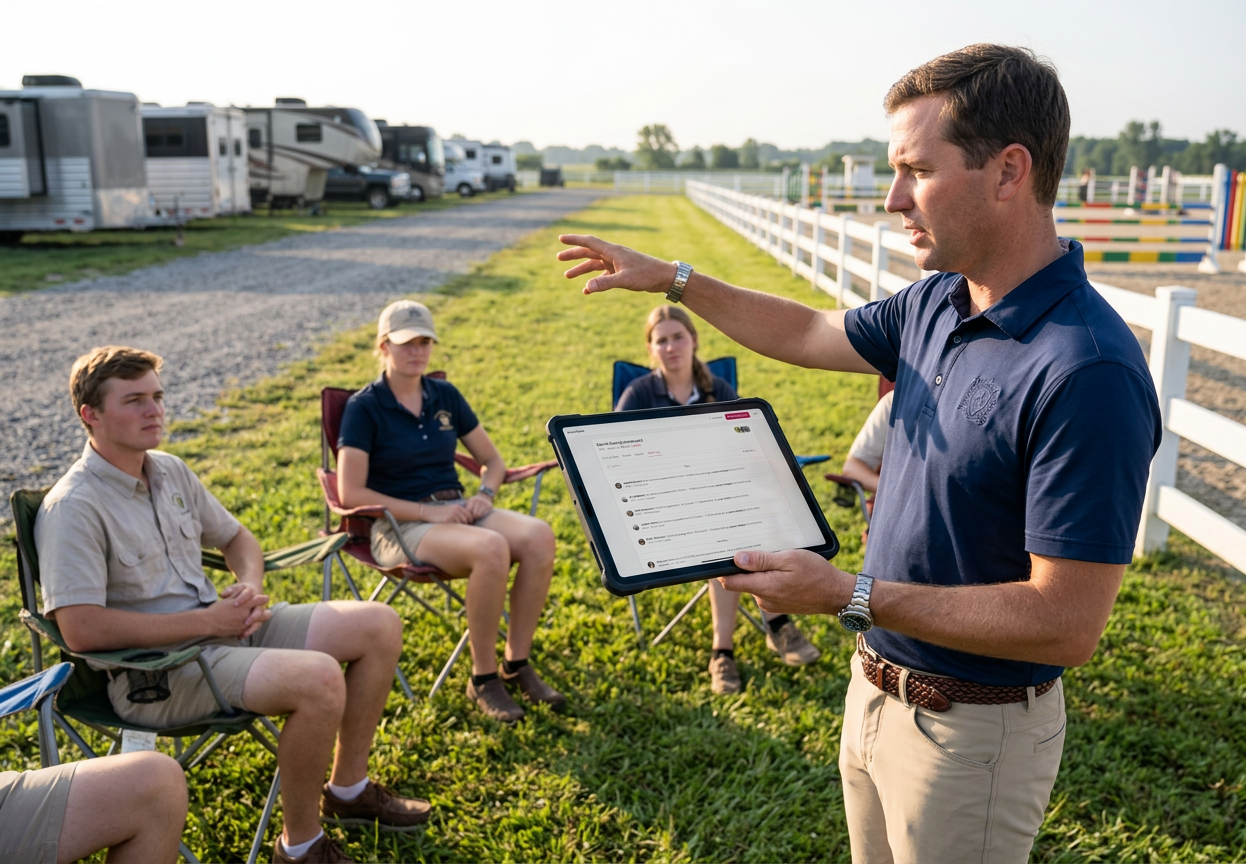
- Hydration Stations: Placing water coolers with electrolytes at the in-gate and at the far end of the stabling area is a low-cost way to show you care about rider wellness.
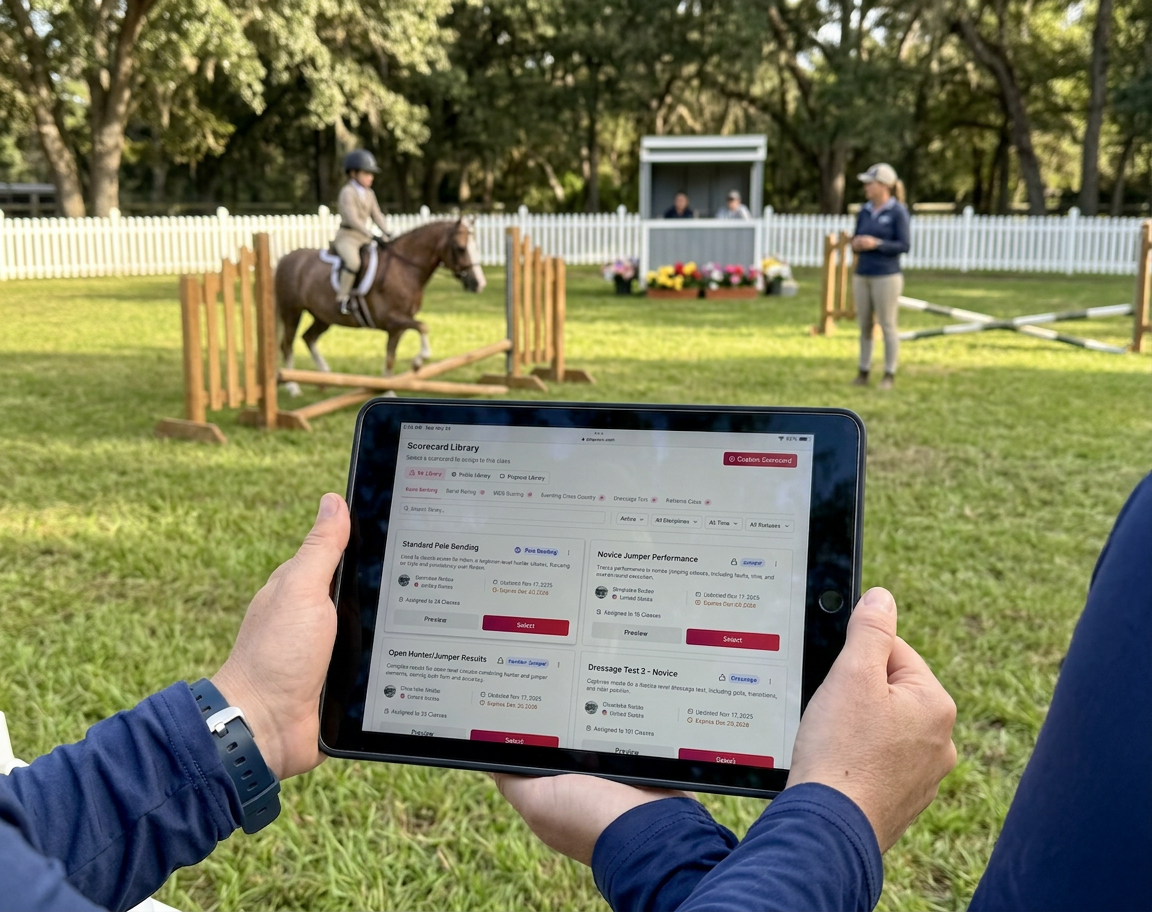
- Digital Efficiency: Hospitality is also about time. By using online entries and rider payments, you save your exhibitors from standing in line at the office. This is perhaps the most appreciated "amenity" of all.
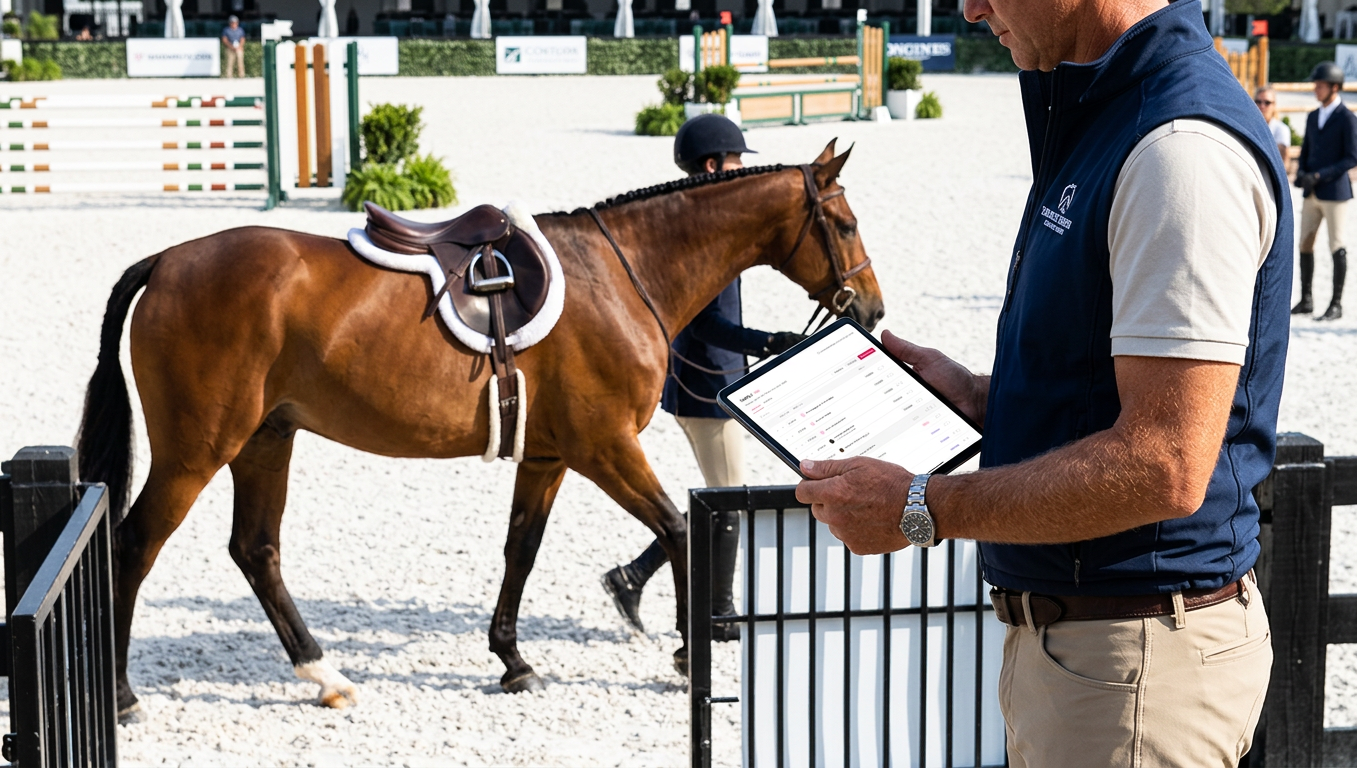
- Trainer Perks: Small vouchers for the on-site food vendor or a designated "trainers only" parking area near the rings can build significant goodwill.
Leveraging Real-Time Communication
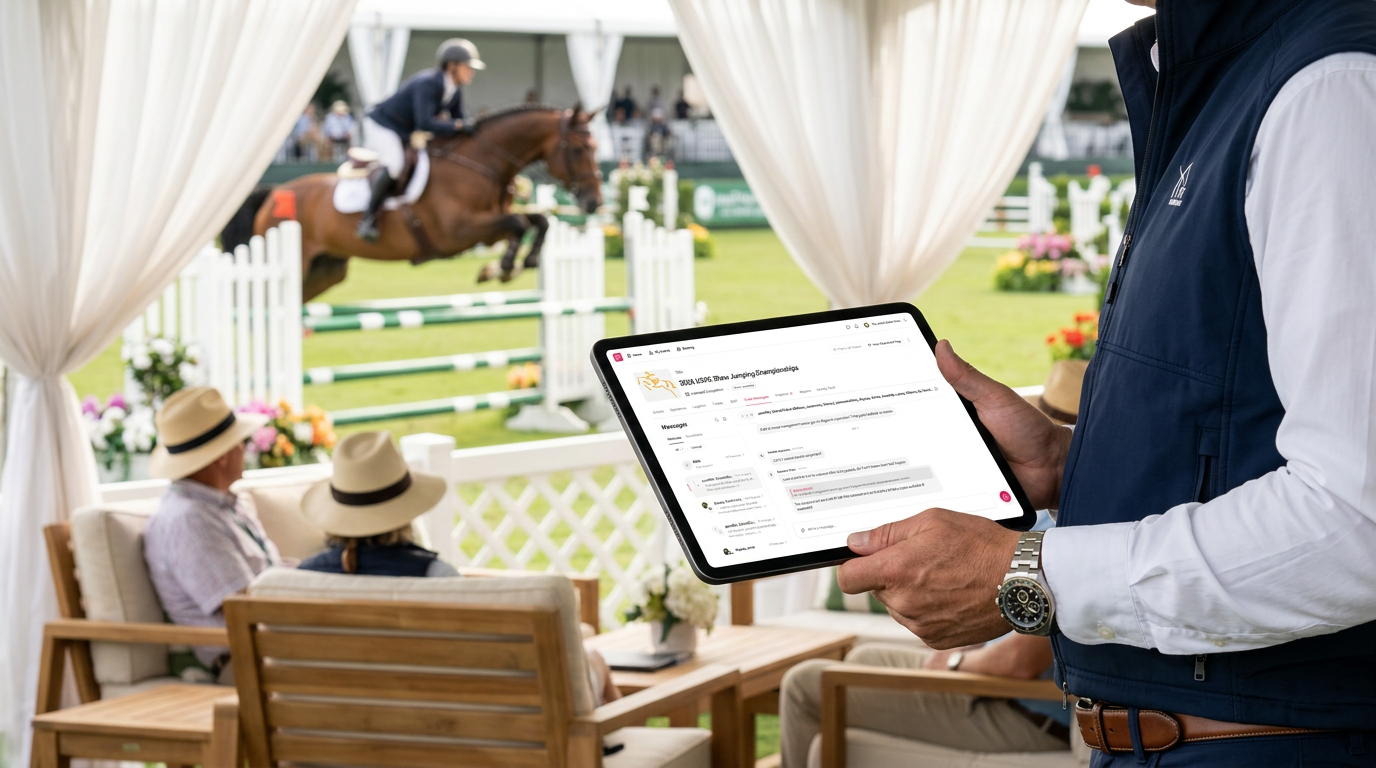
Hospitality is also about keeping people informed. There is nothing more stressful for an exhibitor than not knowing when they are supposed to be in the ring. By utilizing live scoring and results and automated updates, you reduce the anxiety levels of everyone on the grounds. You can learn more about this in our post on optimizing horse show communications.
How Can You Measure the ROI of Your Hospitality Efforts?
To ensure your hospitality budget is being spent wisely, you need to track the impact. At Pegasus, we suggest looking at your year-over-year retention rates. Are the same barns coming back? Are they bringing more horses?
Another metric is sponsor satisfaction. If a sponsor sees that their branded lounge is consistently full and appreciated, they are much more likely to renew their contract at a higher price point. We recommend using reports and post-show analytics to correlate your hospitality spending with increased exhibitor numbers.
Feedback Loops
Don't guess what your exhibitors want. After the show, use the Show Hub to gather feedback. Ask trainers directly: "What was the one thing that made your week easier?" and "What was the biggest frustration?" Often, the answers are simpler than you think. It might be better lighting in the wash racks or a faster way to handle stall maps and stabling.
Summary of Best Practices
Optimizing horse show hospitality is an ongoing process of refinement. Start small by focusing on the basic needs of your riders: water, shade, and information. As your event grows, you can layer in more sophisticated offerings like catered lunches or dedicated concierge services.
The goal is always the same: to make the horse show experience so seamless and enjoyable that your exhibitors wouldn't dream of going anywhere else next season.