 Pegasus
TL;DR
- Move away from generic packages to data-backed partnership tiers.
- Use digital metrics like email open rates and portal views to prove reach.
- Tailor your valuation to specific sponsor goals rather than just logo placement.
Maximizing sponsorship valuation for local horse shows relies on your ability to transform abstract event perks into concrete, measurable marketing data. By utilizing digital management tools to track participant reach, website impressions, and engagement metrics, local organizers can justify higher price points to potential partners. Proving a specific return on investment through attendee counts and digital touchpoints allows you to move beyond simple donations and into professional, high-value corporate sponsorships.
The Shift from Donations to Partnerships
For years, local horse shows relied on the generosity of the community. You would ask the local feed store for a few bags of grain or the tack shop for a voucher in exchange for a banner on the arena fence. While that community spirit is the heart of the sport, it often leaves organizers struggling to cover the rising costs of insurance, officials, and facility fees.
In our experience with thousands of events, we have seen that the most successful organizers treat sponsors as business partners. This requires a professional approach to sponsorship valuation for local horse shows. Sponsors today are not just looking for a warm feeling; they are looking for eyes on their product. When you can tell a sponsor exactly how many people saw their logo on a digital scoreboard or how many riders clicked their link in a confirmation email, the conversation changes from "please help us" to "here is how we can help you."
How Do You Determine the Value of Local Show Sponsorships?
Setting prices shouldn't be a guessing game. To establish a baseline valuation, you must look at three specific pillars: direct reach, digital engagement, and physical presence.
Direct Reach and Demographics
You have a highly targeted audience. Equestrian participants often have higher-than-average disposable income and specific purchasing habits. Use your post-show analytics to pull data on how many unique households attended your event. If you have 150 riders, and each brings an average of two guests, you are offering a sponsor access to 450 people.
Digital Engagement Metrics
This is where many organizers leave money on the table. If you use a platform for online entries and rider payments, every one of those riders is interacting with a digital interface multiple times. Your valuation should include:
- Email Open Rates: Your confirmation and schedule emails often have open rates exceeding 70 percent because riders are looking for critical information. That is prime real estate for a sponsor logo.
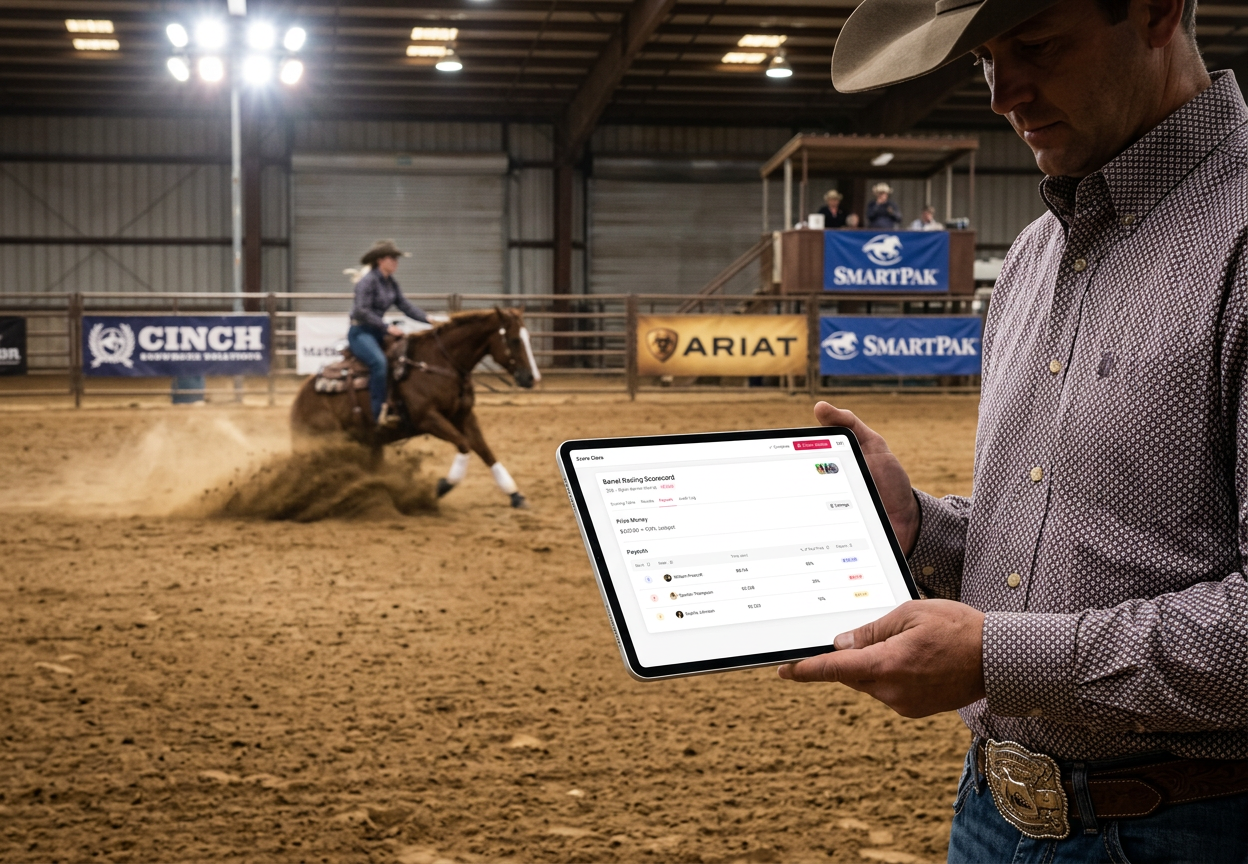
- Portal Views: If you offer live scoring and results, riders and their families will refresh that page dozens of times throughout the day.
- Social Media Impressions: Track the reach of your posts leading up to the event.
Physical Presence
Traditional banners still have value, but they are more powerful when bundled. A banner at the in-gate, where every rider and trainer must stand for ten minutes, is worth significantly more than a banner on the far side of the parking lot. We often recommend that organizers use a tiered approach: Silver, Gold, and Platinum, with the highest tiers including exclusive "naming rights" to a specific high-traffic ring.
Why Does Data Matter for Local Show ROI?
Data builds trust. When a business owner asks why they should spend $1,000 on your show instead of a local Facebook ad, you need to have the answer ready. Data-backed valuation allows you to prove that your audience is not just "anyone," but specifically their target customer.
For example, if you are approaching a local equine veterinarian, you can show them exactly how many horses were on the grounds using your stall maps and stabling data. If you are approaching a luxury automotive brand, you can highlight the regional draw of your show, proving that participants are traveling from distances that suggest they have the budget for long-distance hauling.
In our guide on what it costs to run a regional horse show in 2026, we highlight how sponsorship is the key to offsetting rising operational costs. Without concrete data, you are stuck under-pricing your assets.
Creating High-Value Digital Assets
One of the most effective ways to increase your sponsorship valuation for local horse shows is to create assets that do not cost you any physical money to produce. Digital assets have a 100 percent profit margin because they don't require printing or shipping.
Sponsored Class Results
Instead of just a physical ribbon, imagine every rider receiving a digital notification of their placing. When that notification is "Powered by [Sponsor Name]," it creates a positive emotional connection between the rider and the brand at the exact moment the rider is celebrating a win.
The Show Hub Experience
Using tools like the Show Hub, you can create specific rooms for per-show discussion. These digital communities are perfect places for a sponsor to host a Q&A or share a special discount code. This provides the sponsor with direct, two-way communication with your exhibitors, which is far more valuable than a static banner.
What Information Do Sponsors Actually Want to See?
When you sit down to pitch, come prepared with a one-page "Impact Report" from your previous season. If you are a new show, use projected data based on local membership numbers. Your report should include:
- Total unique participants: Not just entries, but individual people.
- Geography: A heat map of where your riders are coming from.
- Digital impressions: Total views on your entry and results pages.
- Average time on site: How long spectators and riders stay at the facility.
We have seen organizers increase their sponsorship revenue by over 40 percent just by presenting this data professionally instead of using a hand-written flyer. Professionalism breeds professional investment. If you are just starting out, check our advice on how to run your first schooling show to ensure your foundational logistics are solid enough to attract these partners.
Negotiating the Close
Finalizing the deal isn't about the price; it is about the fit. If a sponsor feels that your show is the right place to find their customers, the price becomes secondary. Always offer a "post-show debirty" where you share the final reports and analytics. Showing the sponsor exactly how many people engaged with their brand builds the relationship for next year, turning a one-time donor into a long-term recurring partner.