 Pegasus
TL;DR
- Reliability and consistent scheduling are the foundation of rider loyalty.
- Use community-driven marketing and horse show marketing tactics to build a brand identity.
- Prioritize transparent communication and modern tech like online entries & rider payments.
Building a successful recurring schooling show series requires a shift in mindset from hosting one-off events to creating a community-driven brand. To ensure riders return season after season, organisers must focus on three core pillars: consistent scheduling that fits into the state or regional calendar, a progressive prize structure that rewards participation over time, and proactive communication. By leveraging digital tools and authentic horse show marketing, you can transform a simple schooling day into a must-attend circuit for local instructors and amateurs.
Why Does Consistency Matter for a Schooling Show Series?
In our experience working with organisers across Australia and New Zealand, the most successful series are those that riders can plan their entire season around. Consistency is not just about the quality of the arena surface; it is about the reliability of the calendar. If you host a show on the second Saturday of every month, trainers can build their students' lesson plans and float schedules around your dates.
When we look at the cost to run a regional horse show, we see that marketing costs drop significantly when you have a recurring audience. You are no longer fighting for new eyeballs every month; you are simply reminding your existing community that entries are open. Stability breeds trust, and trust is the highest currency in the horse world.
How Can You Use Horse Show Marketing to Build Community?
Marketing a show series is different from marketing a single event. You are selling a journey, not just a rosette or ribbon.
Create a Series Point System
Riders love a leaderboard. By creating a year-end awards program, you give competitors a reason to choose your show over another. If they need four shows to qualify for the series championship, they are locked in for the season.
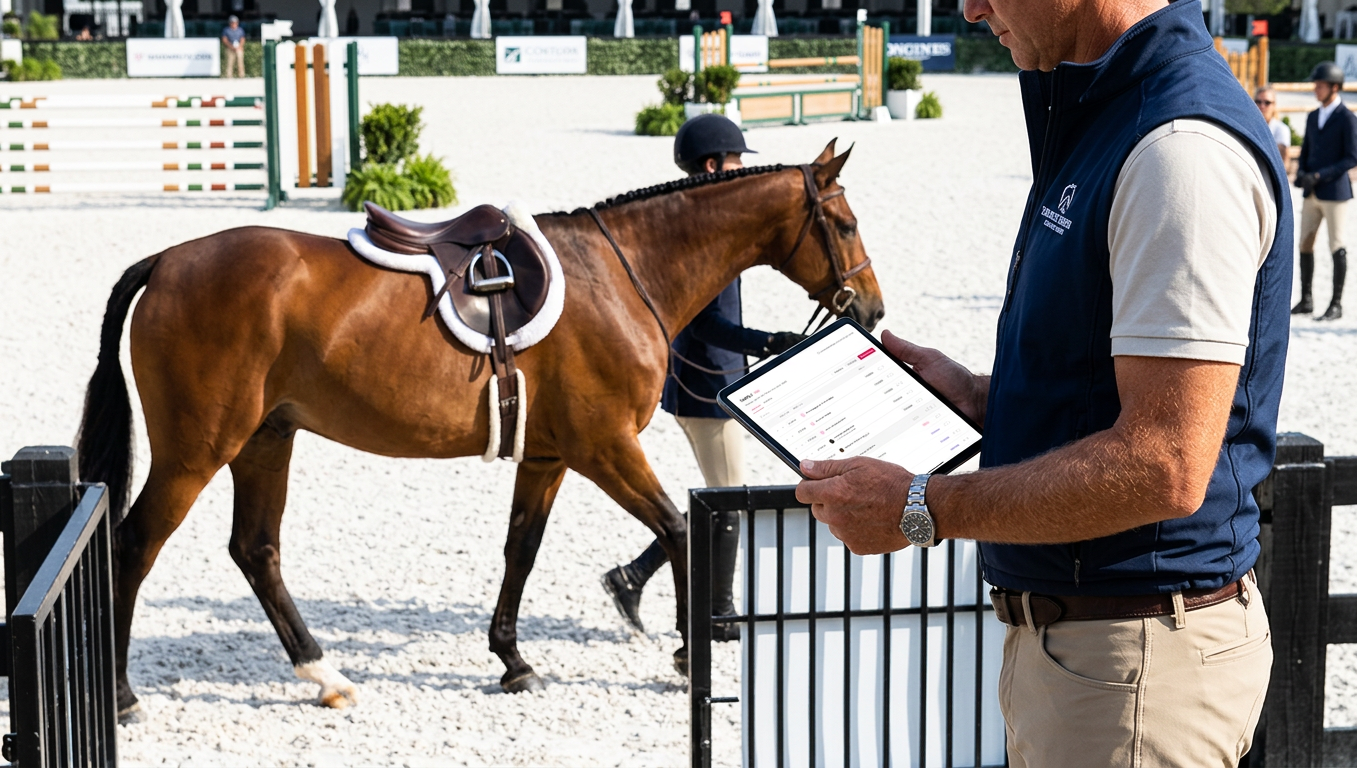
- Track points automatically: Use tools like post-show analytics to keep rankings updated and visible on your website.
- Physical recognition: Mention leaders in your email newsletters and social media stories. Recognition often matters more than the actual prize.
Focus on Social Proof
Show organisers often forget that their best marketers are the riders themselves. Create "Instagrammable" moments at your showground. A clean backdrop with your series logo or a specific 'Winner’s Circle' area encourages riders to post their ribbons. When their friends see them having a great time, your word-of-mouth marketing does the work for you. We've seen organisers use Show Hub to foster these connections, allowing riders to chat and share experiences before they even hit the gate.
What Scheduling Strategies Keep Rings Moving?
One of the biggest complaints from exhibitors is a show that runs until 9:00 PM. A schooling show series should be efficient. If you want instructors to bring ten students, you need to respect their time.
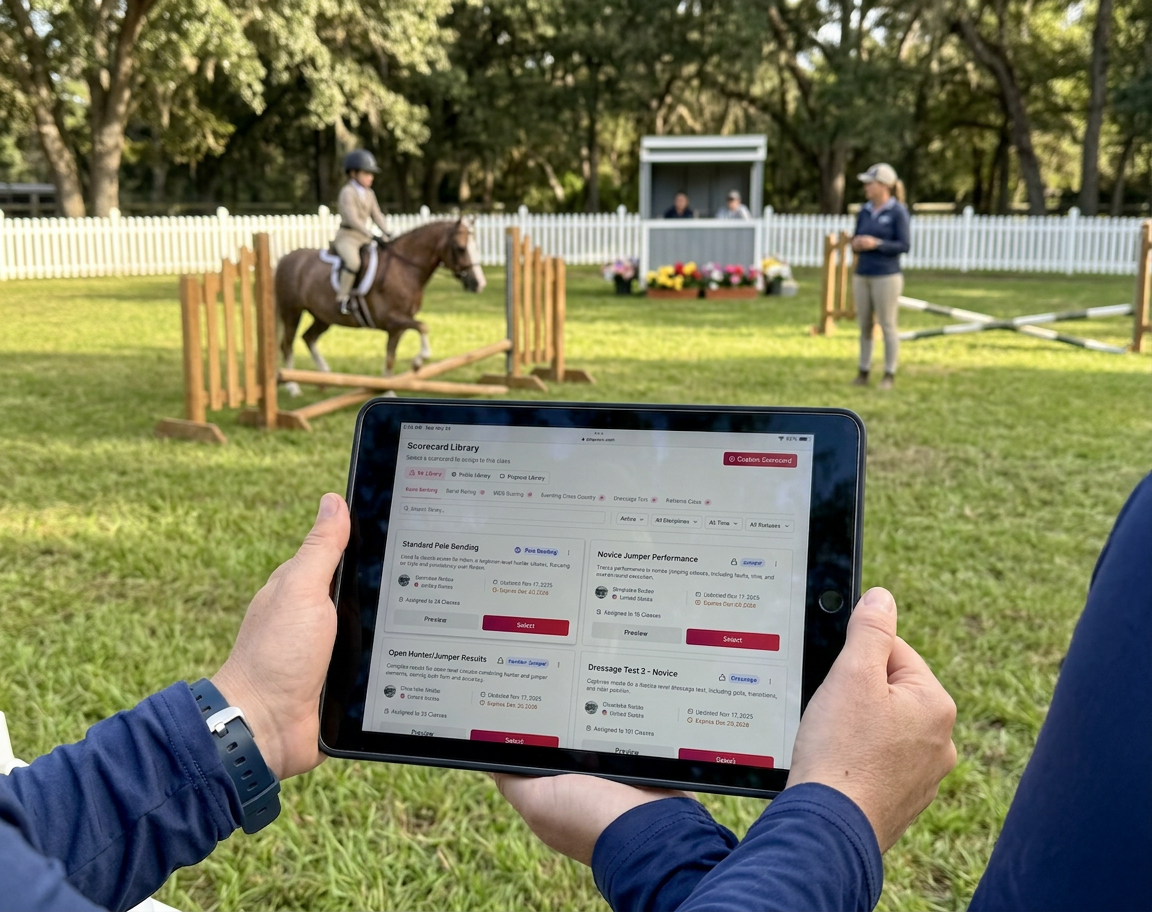
As noted in our guide on Why the Best Small Horse Shows are Switching to Free Management Software, the right tech can shave hours off your day. Features like class scheduling & ring management allow you to forecast class times accurately. If a trainer knows their Lead Rein or Intro riders will be finished by midday, they are much more likely to load the float.
Strategic Drag Breaks
Don't just drag the arena when the footing looks bad; schedule it. Put it in the prize list or schedule so riders know when they have time to grab a coffee or water their horses. This predictability reduces the stress of "hurry up and wait" that plagues so many local circuits.
How Do You Communicate Effectively with Exhibitors?
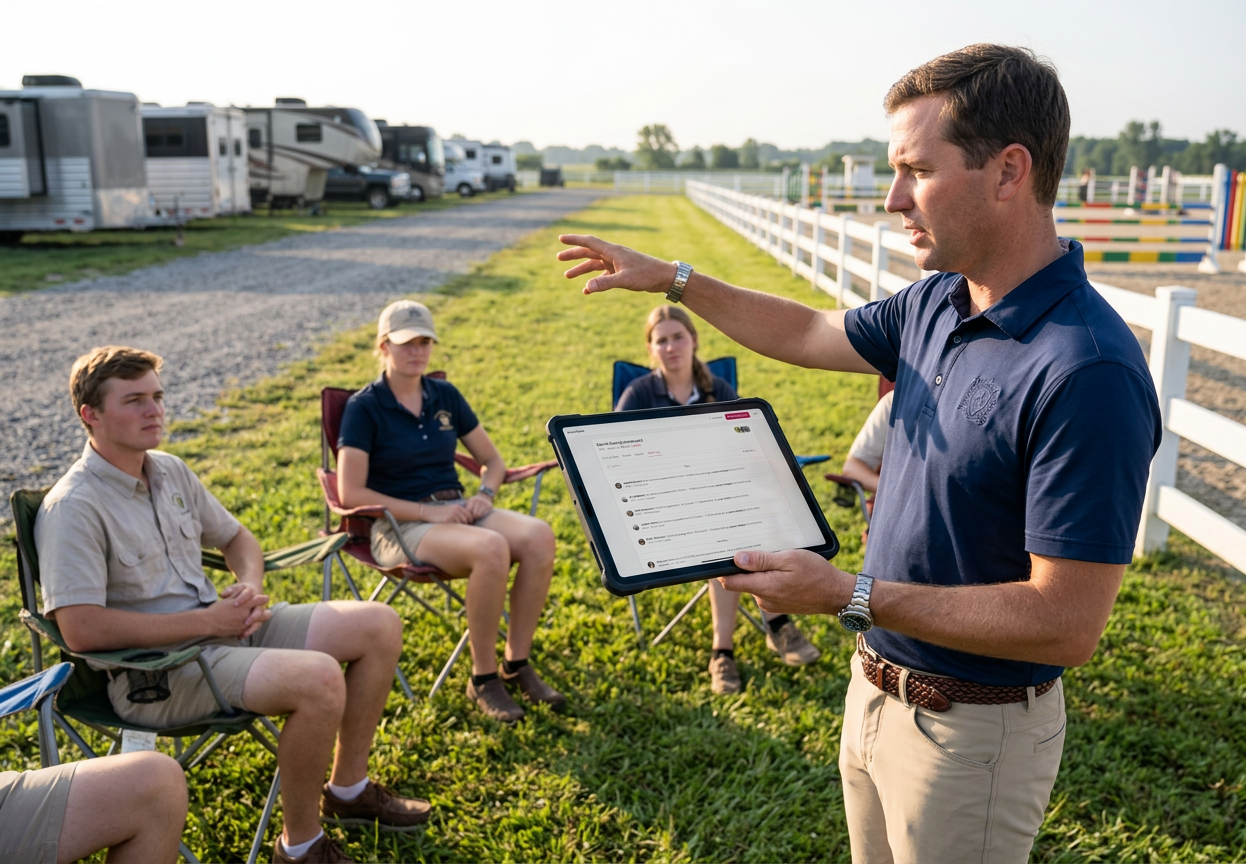
Communication is the bridge between a good show and a great series. People want to know what is happening in real-time. This is why live scoring & results are no longer a luxury - they are an expectation.
- The 48-Hour Rule: Send a welcome email 48 hours before the show with the parking map, the estimated draw or timetable, and any facility updates.
- In-Gate Transparency: Use apps or digital boards to show who is in the ring. When riders can see they are "third out" from their phone at the stables, they stay calm and organised.
- Feedback Loops: After each show, send a one-question survey. Ask, "What is one thing we could do better next month?" Then - and this is the vital part - actually implement one of the suggestions and announce it.
Building a Sustainable Prize Structure
For a schooling show series, prizes should be useful or meaningful. While a A$500 hunter classic is great for an EA-rated show, schooling show riders often appreciate credits toward their next entry or high-quality equipment.
Consider partnering with local tack shops for the year-end awards. This builds the local ecosystem and reduces your out-of-pocket costs. We recommend looking at Lesson 31 of our Course: How to Run a Horse Show for deeper insights into prize money administration and ribbon strategy.
Tiered Participation Rewards
You might offer a "Series Pass" where riders pay for five shows upfront and get the sixth free. This secures your cash flow and guarantees attendance even if the weather is slightly less than perfect. This kind of financial incentive turns casual attendees into series regulars.
Final Thoughts
A recurring schooling show series is a marathon, not a sprint. By focusing on the exhibitor experience through better registration workflows and consistent communication, you build an event business that is both sustainable and beloved by your local horse community. At Pegasus, we have helped hundreds of shows transition from chaotic paper entries to streamlined digital systems, and the result is always the same: happier riders and more relaxed organisers.