 Pegasus
TL;DR
- Direct digital notifications can reduce show office foot traffic by up to 40 percent.
- Multi-channel messaging (SMS, email, and app) is essential for safety and rule compliance.
- Personalized communication improves the exhibitor experience and long-term show loyalty.
Optimizing horse show communications is the process of using digital tools and clear messaging strategies to keep riders, trainers, and staff informed throughout an event. By implementing real-time notifications for schedule changes, ring status updates, and emergency alerts, show managers can significantly reduce foot traffic in the show office while improving the overall exhibitor experience. Modern platforms allow for targeted messaging that ensures the right people get the right information at the right time, leading to smoother operations and higher participant satisfaction.
The Cost of Poor Communication
In our experience working with venues across North America, we have seen that the most common point of friction isn't the quality of the jumps or the prize money - it is the frustration of not knowing when to be at the ring. When a rider is left guessing, they end up camping out at the gate, which causes congestion, or they rush back and forth to the show office to ask questions.
This lack of clarity doesn't just annoy the exhibitors; it creates a massive workload for your staff. Every time a trainer has to ask "what number are we on?" or "is there a drag break coming up?", your office team is interrupted from higher-value tasks like processing entries or managing finances. By focusing on optimizing horse show communications, you turn your event from a chaotic gathering into a professional, streamlined competition.
How Can Digital Notifications Reduce Show Office Traffic?
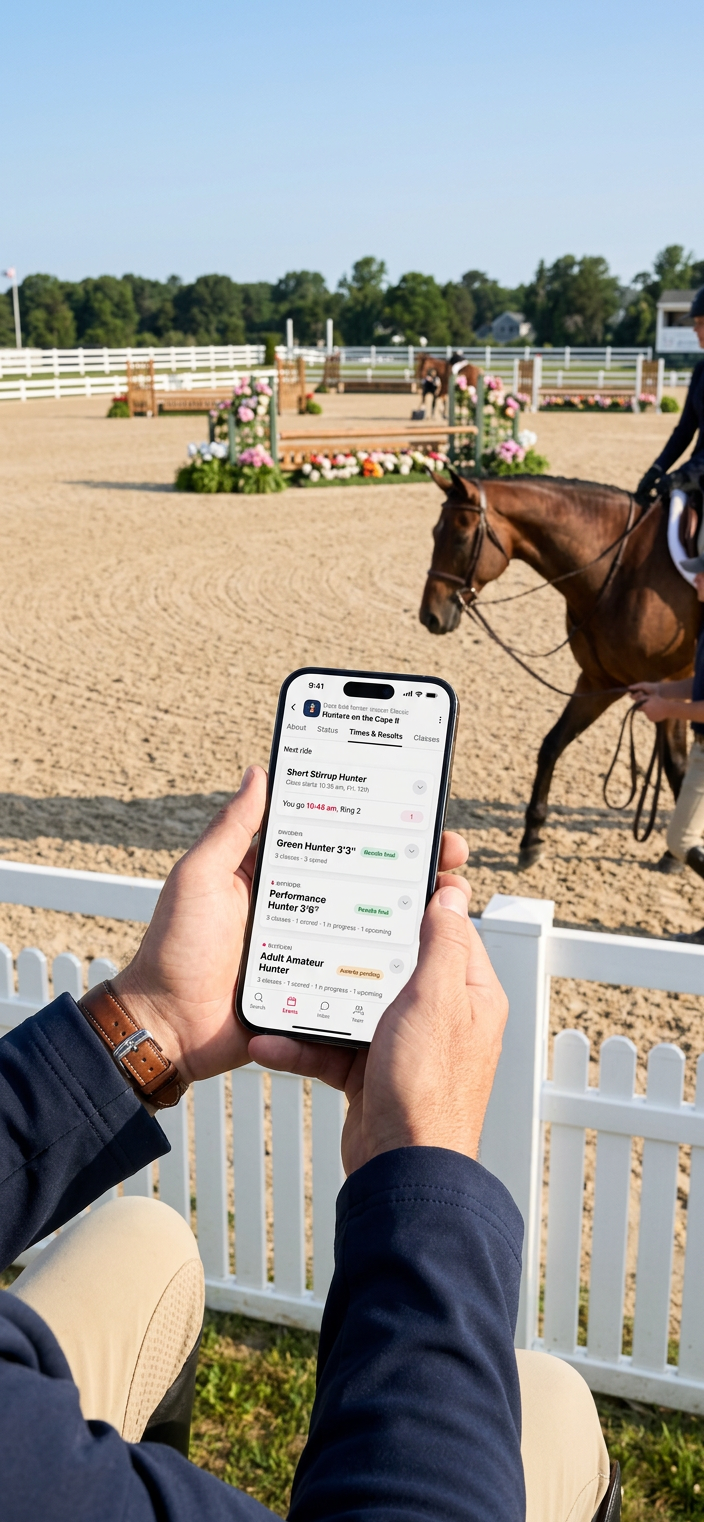
One of the most effective ways to clear the line at the office is to move information to the rider's pocket. Traditional methods - like whiteboards at the gate or printed schedules posted on a bulletin board - are static. If a class is moved from Ring 1 to Ring 3 at 10:00 AM, a static sign is immediately obsolete.
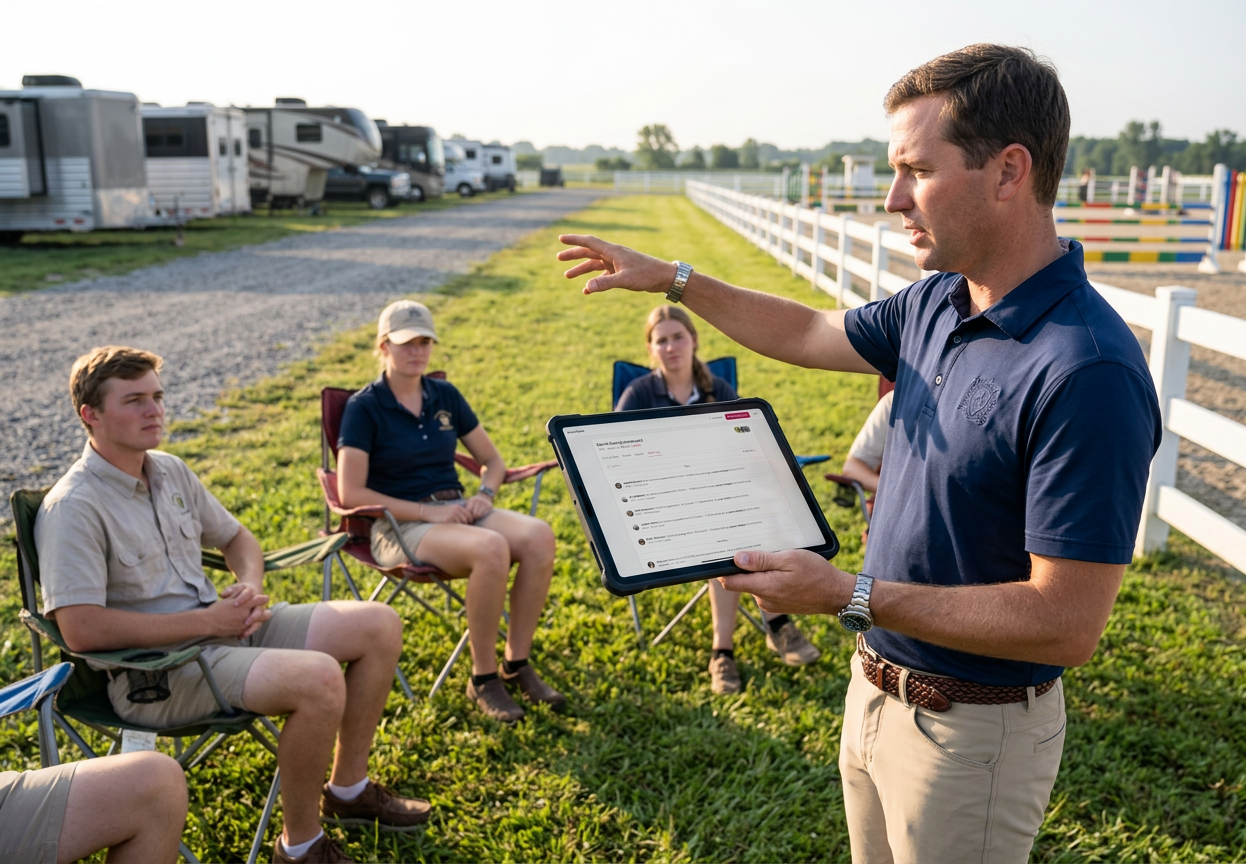
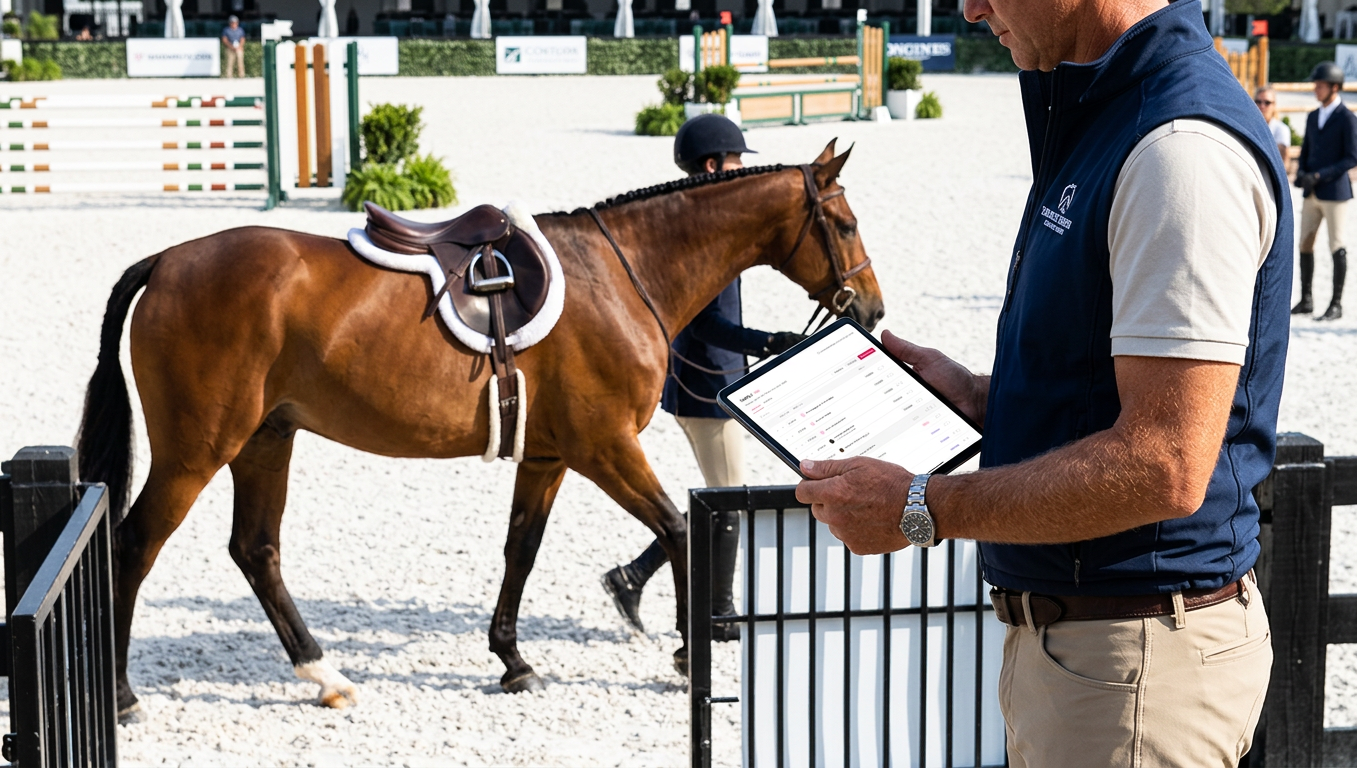
Digital notification systems allow you to push updates directly to participants. We have seen organizers use these tools to:
- Announce Ring Delays: If a hunter ring is running 30 minutes behind, a quick SMS alert allows trainers to keep their horses in the stalls longer, reducing stress on the animals.
- Alert for Class Changes: If a class is canceled or moved, an automated email ensures everyone is on the same page without needing to visit the office.
- Notify of Results: Sending a link to live scoring and results as soon as a class is pinned keeps the energy high and the office quiet.
By leveraging online entries and rider payments, you already have the contact information needed to make this happen. When communication is proactive, the office becomes a place for high-level problem solving rather than a help desk for basic logistics. We covered similar efficiency gains in our guide on streamlining horse show check-out.
Using Multi-Channel Strategies for Safety and Compliance
Communication isn't just about class times; it is about safety. Whether it is a sudden thunderstorm or a biosecurity update, you need a way to reach everyone on the grounds instantly. According to the guidelines in the Course: How to Run a Horse Show (Lessons 11 and 34), emergency communication plans are a non-negotiable part of risk management.
Why one channel isn't enough
A rider might miss an email while they are in the saddle, but their trainer might see a text. An announcer might make a call over the PA system, but someone in the stabling area might be out of earshot. Optimizing horse show communications means using a layered approach:
- SMS (Text Messages): Best for urgent, time-sensitive alerts like weather evacuations or ring holds.
- App-Based Social Rooms: Tools like Show Hub rooms allow for community discussion and non-urgent Q&A.
- Email: Ideal for long-form updates, such as the next day's schedule or prize money distribution details. Check out our master guide on prize lists for more on how to structure these documents.
- Physical Signage: Still necessary for wayfinding and traffic flow, as discussed in our guide on smarter showground layouts.
What is the Impact of Personalization on Rider Engagement?
Generic announcements often get ignored. If you send a blast to 500 people about a change in the 1.10m Jumpers, you are cluttering the inboxes of 400 people who aren't in that class. Modern software allows you to segment your audience. You can message just the trainers, just the riders in a specific division, or just the people currently checked into the stabling area.
When exhibitors receive information that is relevant to them, they feel seen and valued. This level of service is what transforms a one-time attendee into a loyal, returning customer. It mirrors the professional standards we discussed in modern horse show ring management - it is about respect for the participant's time.
Building Community Through Discussion
Communication should not just be a one-way street from the organizer to the rider. Creating spaces for exhibitors to ask questions or share feedback during the event builds a sense of community. Instead of venting frustrations on public social media, riders can use dedicated Show Hub rooms to interact with management and each other. This gives you the opportunity to address concerns in real-time, often before they become actual problems.
Implementing Your Communication Plan
To begin optimizing horse show communications, start with your entry platform. Ensure you are collecting mobile numbers and email addresses during the registration process. Then, designate one staff member - perhaps the show secretary or a digital volunteer - to be the "voice" of the show.
Consistent, clear, and digital-first communication is no longer a luxury in the equestrian world; it is an expectation. When you remove the guesswork, you allow riders to focus on their performance and organizers to focus on the sport. If you are ready to see how automated tools can handle this for you, explore our full Pegasus feature overview to learn more.