 Pegasus
TL;DR
- Protect your event by combining state-specific equine liability statutes with comprehensive digital waivers and $1 million minimum insurance coverage.
- Operational safety, including EMT presence and rigorous ring maintenance logs, is just as critical as your legal paperwork.
Mastering horse show liability is essential for any equine event organizer looking to protect their business and participants while maintaining professional standards. By integrating state-specific equine activity statutes, securing robust liability insurance, and utilizing digital waiver tracking, show managers can significantly reduce their exposure to legal claims. At Pegasus, we have seen how moving to a digital-first approach for rider documentation not only saves hours of administrative time but also creates a verifiable audit trail that protects the event from the moment a trailer enters the grounds.
The Foundation of Equine Risk Management
When we look at the logistics of running a show, the legal side can often feel overwhelming. However, risk management is really just a structured way of being a good host. In our experience working with venues across North America, the most successful organizers are those who treat safety as a core part of their brand. According to the principles in our Course: How to Run a Horse Show, understanding your role in event leadership requires a deep dive into regulatory compliance and insurance requirements (Lesson 1 and 34).
Why Equine Activity Liability Acts Matter
As of 2024, 48 U.S. states have passed Equine Activity Liability Acts (EALA). These statutes offer a layer of protection to equine professionals and event sponsors by acknowledging that horse sports involve inherent risks. These risks include a horse tripping on uneven ground, spooking at a passing vehicle, or reacting to sudden noises.
However, these acts are not a catch-all defense. They generally do not protect you if you provide faulty tack, fail to verify a rider's basic ability, or ignore a known dangerous condition, such as a broken gate in a high-traffic area. Organizers must still demonstrate due diligence inทุก facility management decisions.
How do I create an effective horse show liability waiver?
A waiver is your first line of defense. To be effective, it needs to be clear, specific, and legally binding in your jurisdiction. A generic template is rarely enough for specialized events like hunter-jumper classics or high-stakes rodeos.
- State-Specific Language: Many state statutes, like those in Florida or Texas, require specific warning language to be printed in bold, 12-point black letters. Verify these exact requirements with a local equine attorney.
- Broad Coverage: Ensure your waiver covers not just the rider, but also trainers, grooms, and family members. We have seen shows reduce liability gaps by requiring every person entering the stabling area to sign a grounds access release.
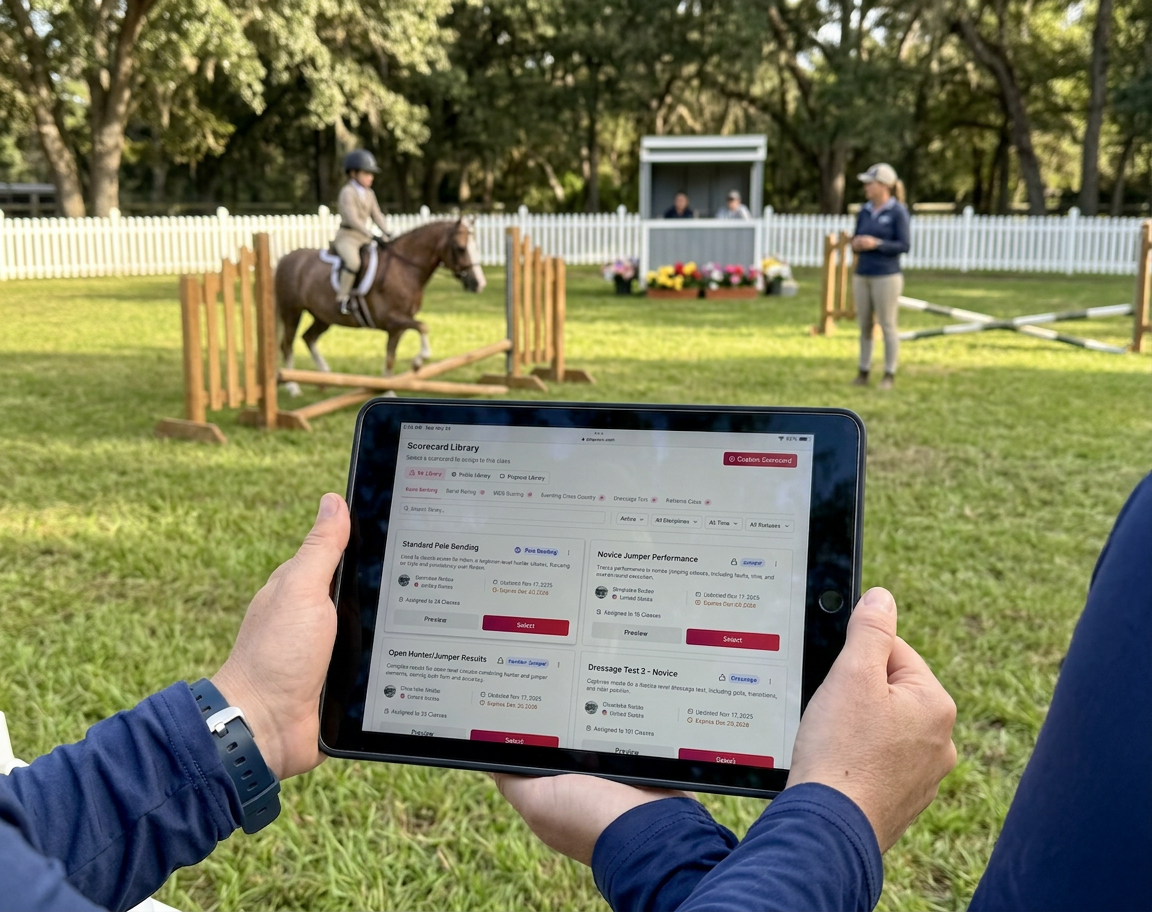
- Digital Compliance: A waiver is useless if you cannot find it during a crisis. As we noted in our guide on Mastering the Horse Show Prize List, including your terms and conditions directly in the registration flow is vital.
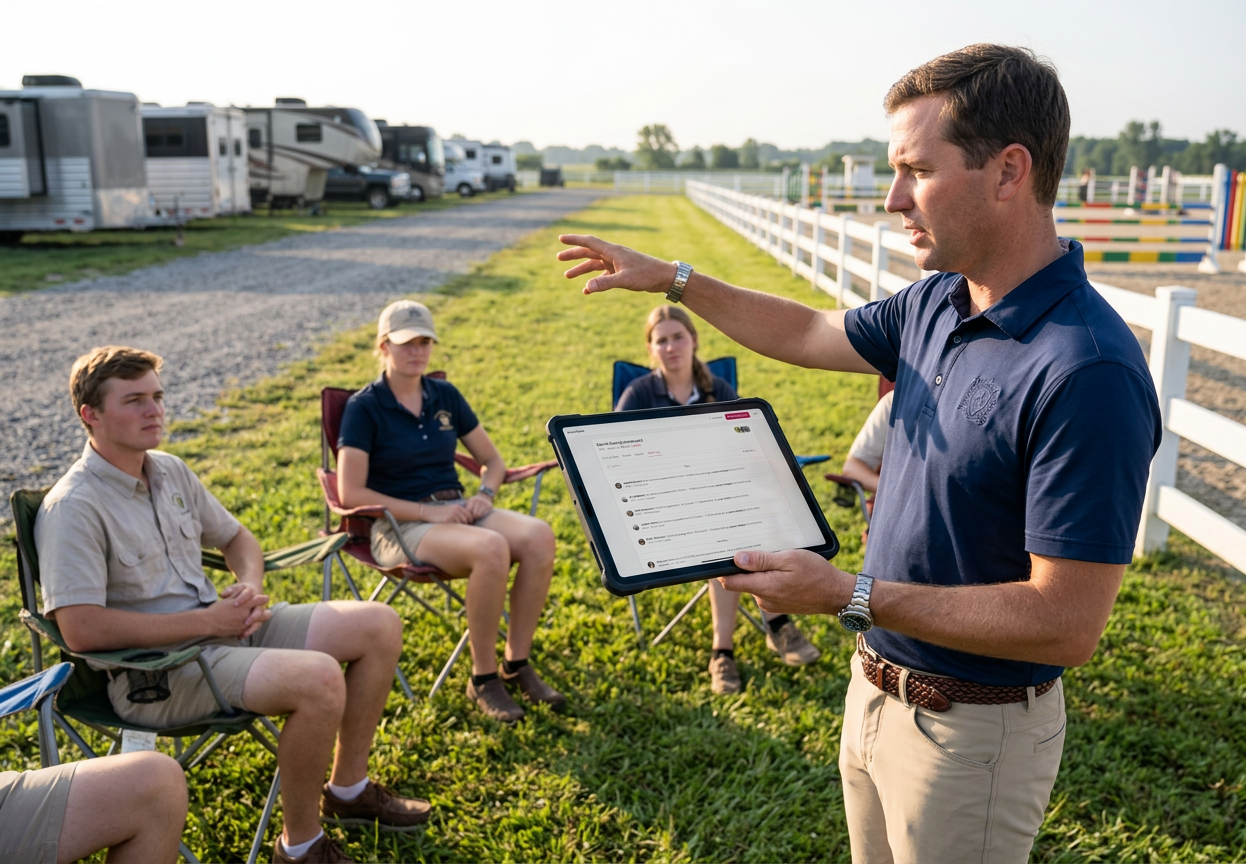
Using online entries and rider payments allows you to require a signature before the entry is processed. We have monitored show series that reduced their paperwork load by 90% simply by switching to digital waivers that store a permanent, timestamped record of every agreement.
Facility Safety and Ground Management
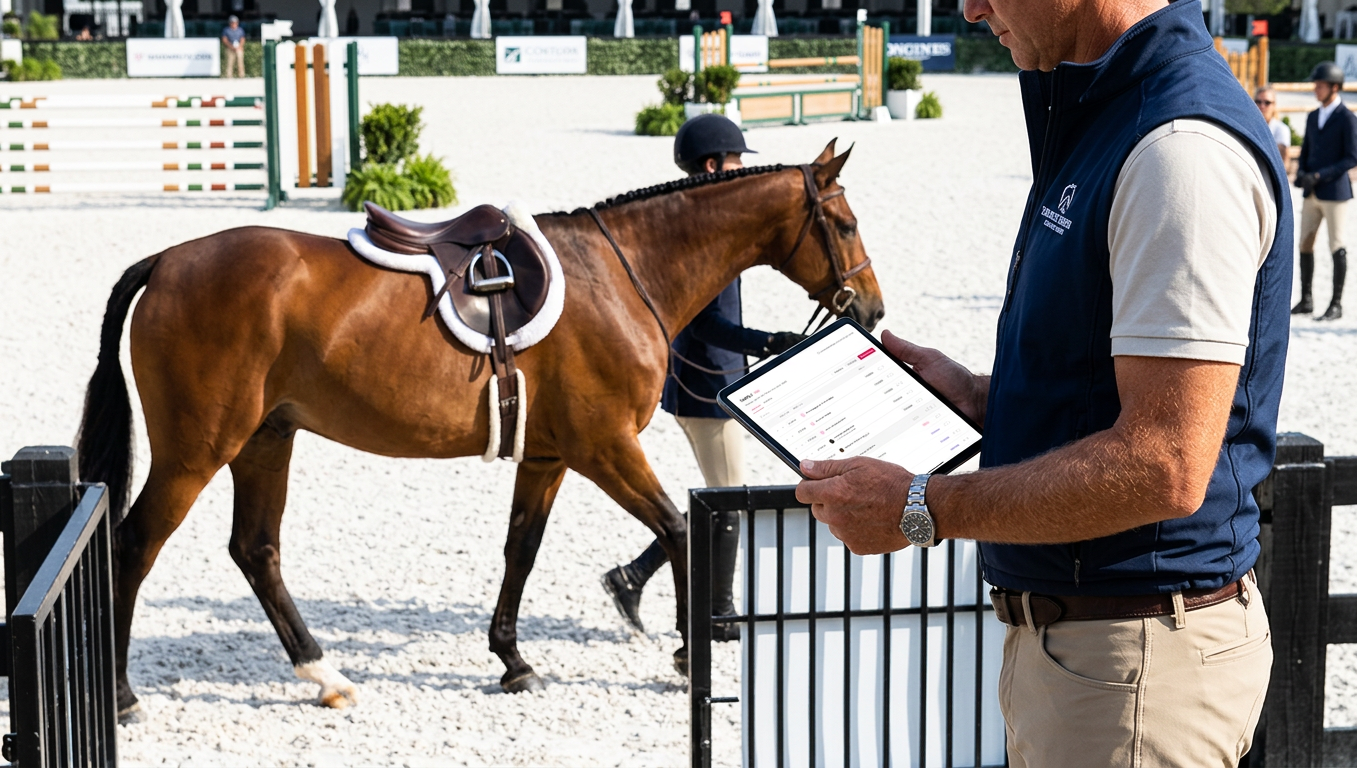
Liability management is not just about paperwork; it is about what happens in the dirt. A loose hinge on a warm-up ring gate or a poorly maintained jumping track can lead to an incident that a waiver might not cover under "gross negligence" claims.
Parking and Traffic Flow
Managing the movement of 1,200-pound animals and 15,000-pound truck-and-trailer combos is high-risk. Ensure your parking layout separates spectator cars from horse trailers by at least 50 feet where possible. If you are struggling with a tight venue, check out our tips on optimizing horse show stall management to better understand how traffic flow impacts both safety and your bottom line.
The Importance of the EMT
Having a qualified EMT on site is almost always a requirement for a commercial insurance policy. Make sure the medical team has a clear path for an ambulance to reach every ring and barn. Communication is the backbone of this response. Every in-gate worker should have a radio with a direct line to the medical team to ensure a response time under 3 minutes for any ringside accident.
What insurance coverage does a horse show need?
General liability insurance is a non-negotiable expense. For most small schooling shows, we recommend carrying a minimum of $1 million per occurrence. If you are hosting a larger event with prize money exceeding $10,000, your limits should be reviewed and likely increased.
- Care, Custody, and Control (CCC): Standard liability policies often exclude damage to horses you do not own. If you are providing stabling for 50 or more horses, a CCC policy is vital to protect against claims regarding barn fires or stall injuries.
- Spectator Liability: Even if a visitor is just watching from the bleachers, they can be injured by a loose horse. Ensure your policy specifically covers the public areas of the grounds.
- Hired and Non-Owned Auto: If your volunteers are driving golf carts or their personal trucks to move jumps or water rings, this coverage protects you if they cause an accident while on duty.
Digital Record Keeping and Documentation
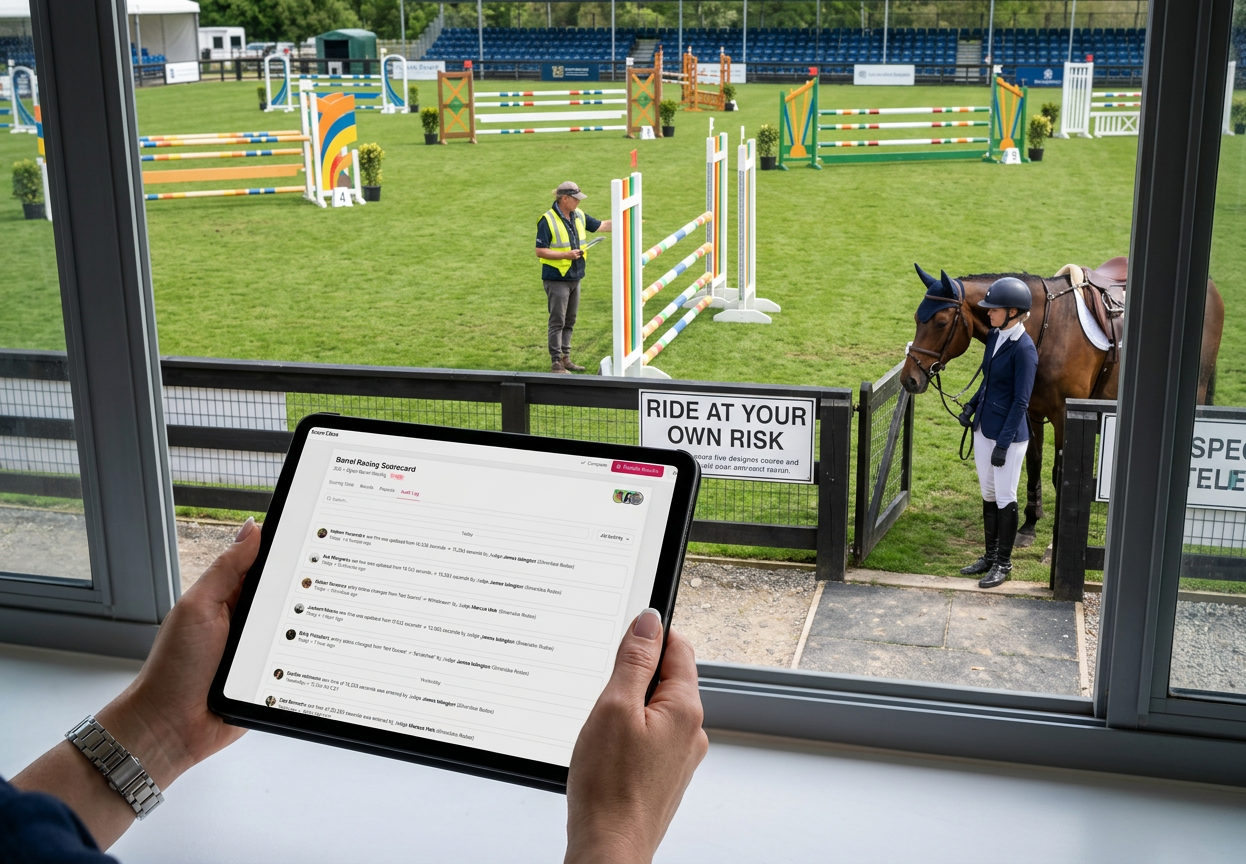
In the event of a claim, your greatest asset is a clear data trail. If a rider claims they fell because the footing was too deep, do you have a log showing the ring was dragged every 12 to 15 rounds? If a horse is injured in the stalls, do you have a signed stall map showing which trainer was responsible for that block?
We recommend that organizers keep digital records of:
- Signed waivers for all participants (riders, owners, and trainers).
- Incident reports filed within 24 hours of any accident.
- Weather logs, especially for lighting delays or high-heat index decisions.
- Staff and volunteer training logs for digital volunteer management.
Managing this manually is a recipe for disaster. Using reports and post-show analytics helps you review safety trends. For example, if you notice a high number of refusals at a specific fence in Ring 2, you can adjust your course design or footing maintenance for the next show day.
Conclusion
Running a horse show will always involve risk, but mastering horse show liability is about controlling the variables within your reach. By integrating legal protections, proper insurance, and digital management tools, you create a safer environment for every horse and human. This professionalism builds trust within the equestrian community, ensuring that trainers and exhibitors feel confident returning to your event season after season.